
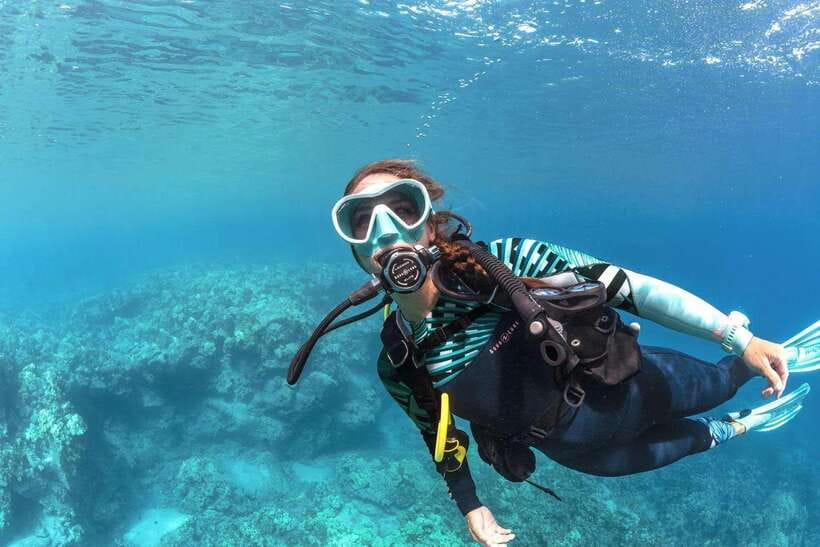
Reviewed · DISCOVER SCUBA DIVING
Bohol: Discover Scuba Diving – No Experience Needed
Panglao’s clear, warm water makes a gentle introduction to scuba, and this experience keeps the first attempt simple: learn the basics, practice close to shore, then head out for a guided 30-minute ocean session. You do not need a license or previous experience, but basic swimming skills are recommended.
I like the patient, close instruction and the fact that you practice key skills before entering open water. I also like the free underwater photos and videos, since managing new equipment leaves little chance to take your own pictures. The main consideration is that three hours is enough for a first taste, not a full certification course, and you will need to arrange your own way to the dive center unless you request help organizing transport.
Key points to know before booking
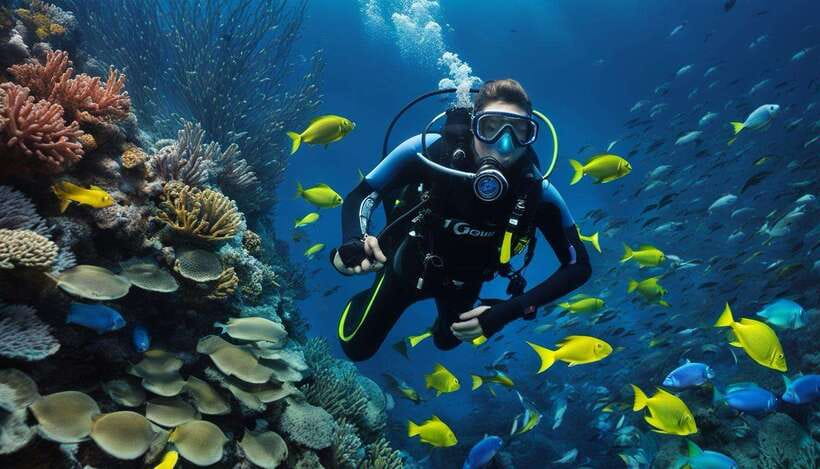
- A true first-timer experience: No certification, license, or previous scuba experience is required.
- A full 30-minute ocean session: After lessons and shallow-water practice, you enter open water with an instructor beside you.
- A calm learning sequence: One hour of theory comes before one hour of skills practice, giving you time to get comfortable.
- Helpful underwater memories included: Photos and videos are provided at no extra charge.
- Small-group format: The group is limited to 10 people, with instruction available in English, Korean, and Tagalog.
- Mostly all-inclusive pricing: The $104 price covers equipment, boat transport, marine fees, and instruction, but not transport to the center or a GoPro.
Why Panglao works for a first scuba experience
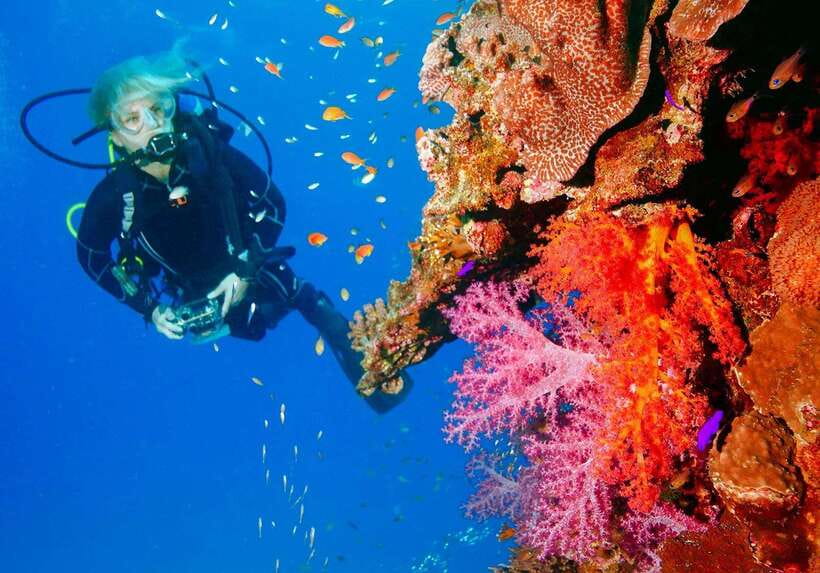
If you are curious about scuba but not ready to commit to a certification course, this is the right scale of activity. You spend a half-day learning the essentials rather than several days in a classroom and training pool.
Panglao, on Bohol’s Visayas coast, is known for warm, clear tropical water. The conditions described for this session make it suitable for beginners, with shallow practice followed by an ocean outing at beginner-safe depths. You are not being sent off to manage things alone. A professional instructor stays close throughout the underwater portion and sets the pace around your comfort.
That matters more than a long list of equipment. For a first attempt, the hard part is often not swimming. It is breathing through a regulator, clearing your ears, keeping calm, and learning what each hand signal means. The instructor’s presence gives you someone to watch and follow while you work through those new sensations.
You should still take the swimming recommendation seriously. You do not need advanced swimming ability, but you should be comfortable enough in the water to follow instructions and remain calm. If you are uneasy in the sea, tell the instructor early so the pace can be adjusted.
More Discover Scuba Diving in the Philippines
- WaterColors – Discover Scuba Diving in Boracay
★ 5.0 · 127 reviews - Boracay: Introduction to Scuba Diving Experience
★ 4.8 · 104 reviews - El Nido: Discover Scuba Diving with Manta Rays in Sibaltan
★ 4.7 · 24 reviews
The first hour: simple theory with a video
The session begins with about an hour of scuba theory, including a video. This is the part that gives the rest of the activity its structure.
You learn basic safety rules, breathing techniques, and underwater hand signals. Those signals are important because you cannot speak normally underwater. You need to understand how to communicate that you are fine, need to ascend, have a problem, or want to adjust the pace.
The breathing lesson is especially useful for a beginner. You will breathe through a regulator rather than through your nose, and that can feel strange at first. A clear explanation before entering the water lets you focus on the actual sensation instead of trying to figure out the equipment on your own.
The theory hour may sound long for a three-hour outing, but it is time well spent. A rushed briefing could leave you anxious once you are in the sea. Here, the session gives you a chance to absorb the basic rules before you begin practicing.
The second hour: getting comfortable in shallow water
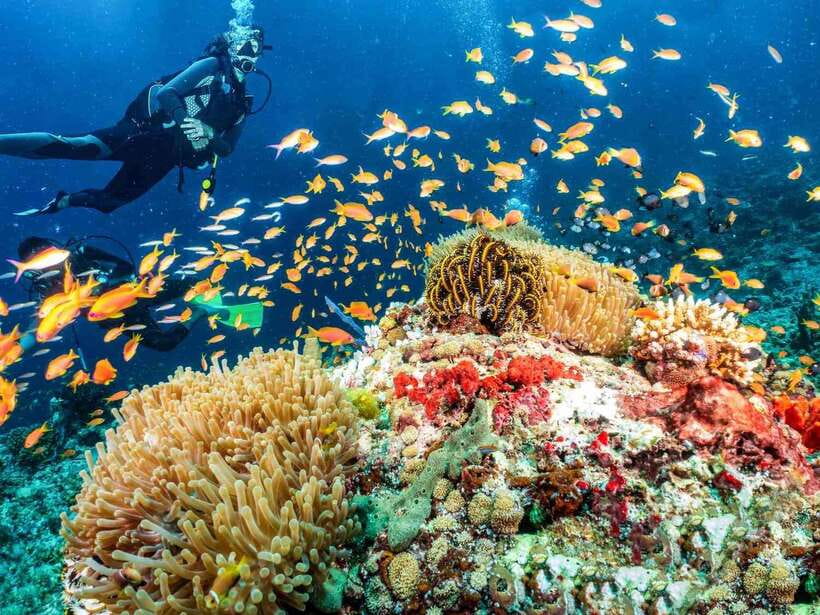
Next comes about an hour of skills practice in shallow water with a professional instructor. This is where the experience becomes practical.
You put on the equipment and learn how it feels in the water. The package includes a wetsuit, mask, regulator, and the other standard gear needed for the session. Practicing in shallow water gives you a controlled setting to try the basic skills before moving farther out.
You will work on breathing, hand signals, and other key procedures. The goal is not to turn you into a certified scuba diver in one morning. The goal is to help you feel comfortable enough to enjoy the open-water portion safely.
The shallow session is also the best time to speak up. If your mask feels uncomfortable, your breathing seems awkward, or you need more time with a skill, tell the instructor. You are not expected to look polished. The staff’s job is to help you get steady before moving on.
A past participant specifically noted the importance of equalizing your ears often while going down. That is a practical point worth remembering. Pressure changes as you descend, and equalizing early and often can help keep your ears comfortable. If your ears will not clear, do not force the descent. Signal the instructor and follow their direction.
The 30-minute ocean session in Panglao
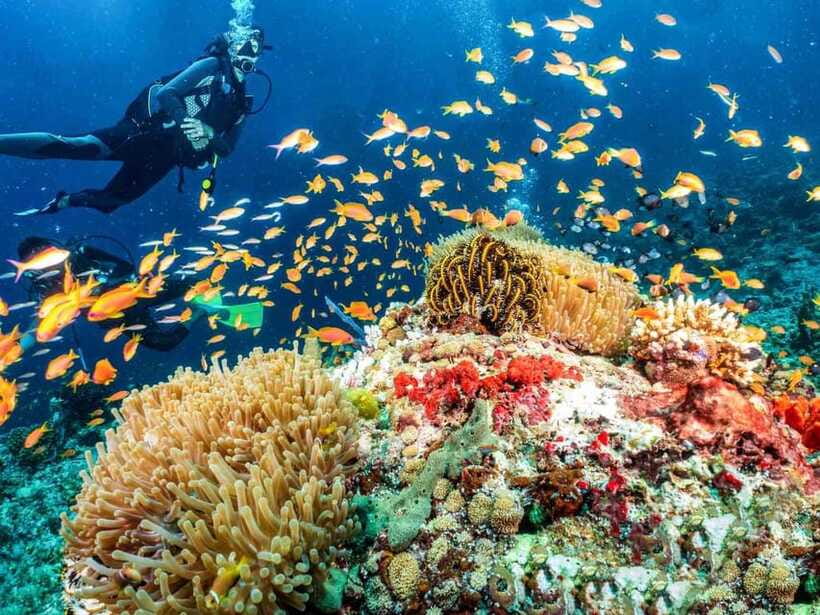
Once you are ready, you head into the open sea for roughly 30 minutes. Boat transport and marine fees are included, so you do not have to add those costs separately.
The underwater portion stays within beginner-safe depths, and the instructor remains beside you. That close guidance is one of the strongest reasons to choose this format. You can concentrate on breathing, watching the reef, and responding to instructions instead of worrying about navigation.
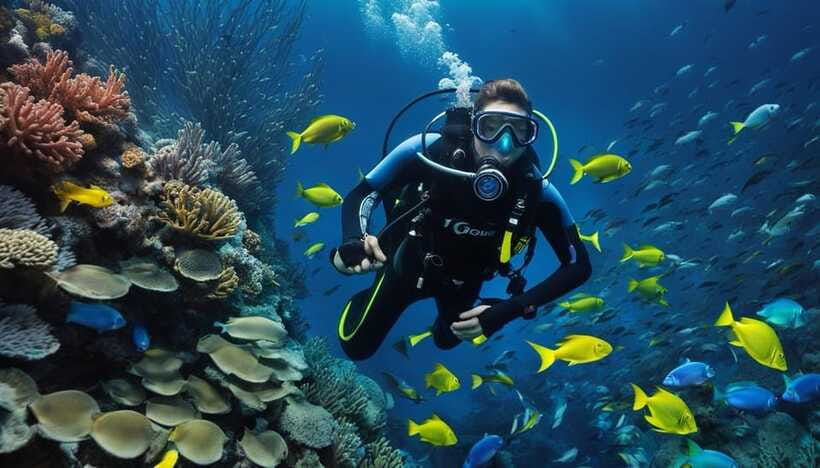
Panglao’s warm, clear water may offer views of coral reefs and tropical fish. Sea turtles are possible on some outings, but they are not guaranteed. That is worth keeping in mind when you compare this experience with tours that promise a particular animal encounter.
The short session is long enough to give you a real sense of scuba, while still keeping the commitment manageable. Thirty minutes can feel substantial when you are learning new breathing and movement habits underwater. At the same time, it will not satisfy someone hoping for a long, advanced exploration.
The instructor controls the pace, and that is useful for nervous beginners. You can stay focused on basic skills rather than trying to keep up with a group of experienced people. The group limit of 10 helps keep the activity from becoming a large crowd, though the exact amount of individual attention can depend on the final group and instructor arrangements.
Another way to get in the water in the Philippines:
- Boracay: Helmet Diving Experience with Photos and Videos
★ 4.7 · 155 reviews - Cebu: Beach Scuba Diving Experience
★ 4.9 · 130 reviews - Easy Fun Scuba Dive in El Nido
★ 5.0 · 72 reviews - Cebu: Scuba Diving Experience beach entry in Mactan
★ 5.0 · 45 reviews
Underwater photos and videos without extra fuss
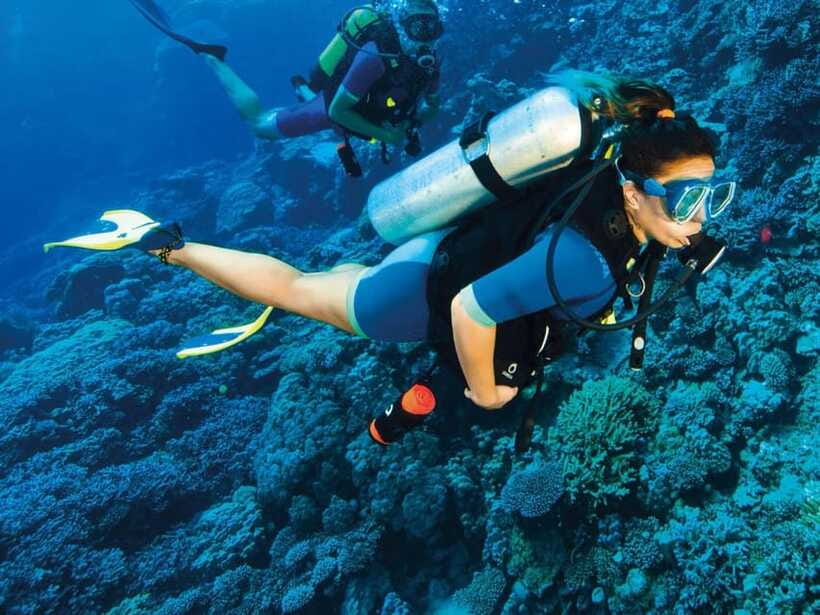
Free underwater photos and videos are included. This is a practical bonus, not just a marketing extra.
As a first-timer, you will already be occupied with your breathing, position, signals, and equipment. Carrying a camera or trying to operate a GoPro could distract you. The included images let you keep a record without adding another task to your first underwater session.
Do note the distinction between the included photos and videos and a GoPro. A GoPro is not included. If you want to use your own camera, ask about the arrangements before the activity, and remember that the instructor may prioritize safety and guidance over getting a perfect shot.
The photos also give you something useful after the tour. You can show family and friends what the experience looked like, even if you were too busy underwater to take in every detail yourself.
What the $104 price really covers
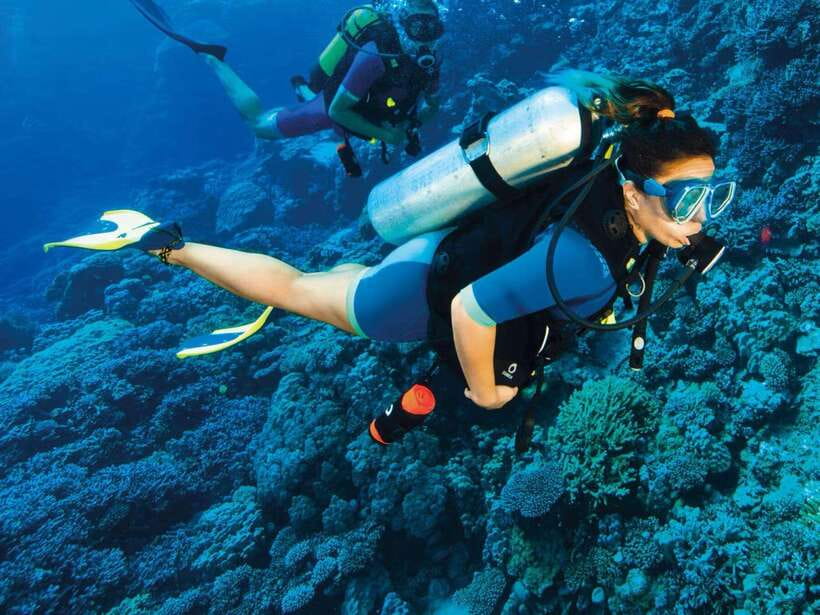
At $104 per person, this is not the cheapest way to spend three hours in Bohol. It is, however, a fairly complete first-time package.
The price includes:
- One hour of theory with video
- One hour of shallow-water skills practice
- A 30-minute guided ocean session
- Scuba equipment, including wetsuit, mask, and regulator
- Boat transport
- Marine fees
- Professional instruction
- Underwater photos and videos
Those inclusions matter because marine fees, boat costs, equipment rental, and photos can quickly turn a low headline price into a higher final bill. Here, the major activity costs are bundled together.
Transport to and from the dive center is not included. The provider can organize it if requested, but you should clarify that arrangement before booking. This is the main extra cost or planning point to check.
I would consider the package good value if you want a single introduction to scuba and appreciate having an instructor, equipment, boat ride, and media handled together. It is less suitable if your main goal is a formal qualification. A certification course requires more training and should be booked separately.
Patient instruction is the main selling point
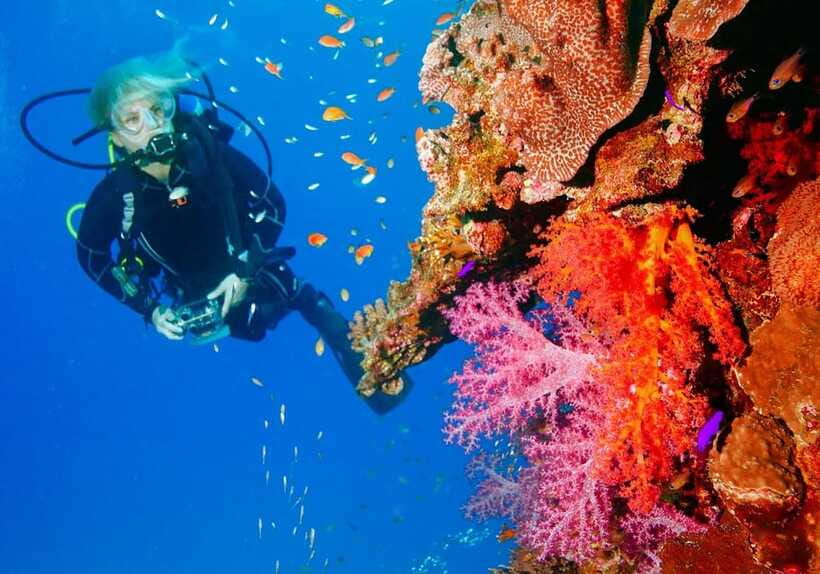
The strongest feature is not simply the warm water. It is the beginner-friendly teaching sequence.
A first-time participant described feeling intimidated before the activity, then becoming more confident because the staff explained things clearly, stayed close, and offered patient help. Another person highlighted repeated reminders to equalize the ears and appreciated the photos and videos taken underwater.
Those details tell you what to expect from the instruction style. You will get reminders about basic technique rather than being left to work everything out. That is particularly useful if you are nervous about breathing through a regulator or entering the sea with unfamiliar equipment.
The available instruction languages are English, Korean, and Tagalog. If language support is important to you, choose the option that lets you understand safety instructions most clearly. Good communication is more important here than a fast start.
Who should book this experience
I would recommend this session to you if:
- You have never tried scuba and want a low-commitment introduction.
- You can swim at a basic level and feel reasonably comfortable in water.
- You want an instructor beside you during the entire ocean portion.
- You prefer a small group rather than a large boat outing.
- You want photos and videos without handling your own camera.
- You are visiting Panglao and have about three hours available.
It can also suit a couple or small group of friends with mixed confidence levels. The instructor can adjust the pace, so the most nervous person does not have to pretend to be comfortable.
I would not choose it if you want a certification, a long underwater session, or guaranteed sea turtles. It is also not a good fit if you are unwilling to learn basic swimming and safety skills first. This is a first taste of scuba, not a substitute for formal training.
Timing, group size, and planning details
The total duration is about three hours, but the exact starting time depends on availability. Check the schedule carefully when booking so the activity fits around your other Bohol plans.
The group is limited to 10 participants. That is small enough to feel more personal than a large recreational outing, while still being a group activity rather than a private lesson. If you want a completely private experience, the provided details do not promise one.
You will need to make your way to the dive center unless you arrange transport in advance. Keep enough time around the activity for meeting up, fitting equipment, and changing. The stated three hours covers the experience itself, not necessarily every minute of getting to and from the center.
The provider offers free cancellation up to 24 hours before the activity for a full refund. You can also reserve now and pay later, which is useful if your Bohol schedule is still changing.
Is this a safe way to try scuba?
The activity is designed for people with no previous experience. It includes theory, shallow-water practice, and a guided open-water session at beginner-safe depths. A professional instructor stays with you throughout the ocean portion.
That structure addresses the main concerns most first-timers have: unfamiliar equipment, breathing underwater, ear pressure, and knowing what to do if something feels wrong. You still need to listen carefully and communicate clearly. An instructor can guide you, but you remain responsible for telling them when you need to slow down or stop.
The best practical tip is simple: do not rush the descent. Equalize your ears often, as the instructor advises, and signal immediately if you feel discomfort. The goal is not to prove how quickly you can get underwater. The goal is to remain calm and enjoy the experience.
The final call: book it for a first taste
Book this Panglao experience if you want a well-organized introduction to scuba without signing up for a full course. The combination of clear instruction, shallow-water practice, a 30-minute ocean session, complete equipment, boat transport, marine fees, and free underwater media makes the $104 price easier to justify.
Go in with realistic expectations. You may see coral, tropical fish, and possibly sea turtles, but wildlife sightings are not promised. You will get a genuine underwater experience, not a certification or an advanced reef expedition.
For a nervous beginner, the patient guidance is the deciding factor. If you can swim at a basic level, understand the safety briefing, and give yourself time to get comfortable, this is a sensible way to find out if scuba is for you.
FAQ
Do I need a scuba license or previous experience?
No. You do not need a license, certification, or previous scuba experience. Basic swimming skills are recommended.
How long is the entire activity?
The activity lasts about three hours. It includes one hour of theory, one hour of shallow-water skills practice, and a 30-minute guided open-water session.
How long is the ocean session?
The guided ocean session lasts around 30 minutes.
Is equipment included?
Yes. The price includes the diving equipment, including a wetsuit, mask, regulator, and related gear.
Are photos and videos included?
Yes. Complimentary underwater photos and videos are included. A GoPro is not included.
Is transportation to the dive center included?
No. Transportation to and from the dive center is not included. It can be organized if requested.
What languages are available, and how large is the group?
Instruction is available in English, Korean, and Tagalog. The group is limited to 10 participants.
More Scuba Diving for Beginners in the Philippines
- Scuba Diving in Boracay: SSI Basic Diver for Beginners
★ 5.0 · 20 reviews - Beginner Freediving Course (with Bonus Session)
★ 5.0 · 18 reviews - Scuba Diving in Boracay: SSI Basic Diver for Beginners
★ 5.0 · 10 reviews - First-Time Scuba Diving in Honolulu + Free Videos
★ 5.0 · 3,123 reviews
Newest dives added in the Philippines
- Discover Scuba Diving in Boracay with U/W Photo and Video★ 5.0 · 14 reviews
- Beginner Freediving Course (with Bonus Session)★ 5.0 · 18 reviews
- Discovery Freediving Program★ 5.0 · 37 reviews
- WaterColors – PADI Scuba Diver Certification in Boracay★ 5.0 · 12 reviews
- Discover Freediving One Amazing Day★ 4.5 · 4 reviews
- WaterColors – Kids’ Discover Scuba Diving in Boracay for 10 years old and up★ 4.0 · 3 reviews
- DiveGurus -Scuba Diving for Kids(Ages 6-11yrs)★ 5.0 · 5 reviews
- 2-Day Private Boracay PADI Open Water Diver Course★ 5.0 · 3 reviews
Discover Scuba Diving, compared.
2 Days Discover Scuba Diving in Nusa Lembongan – Scuba Initiation
Read our review →
From Sharm: Ras Muhammed & White Island By Boat & intro Dive
Read our review →Browse the lists this dive appears in