
Reviewed · PADI COURSES & CERTIFICATION
Aruba PADI Scuba Diving Program Non Certified Divers
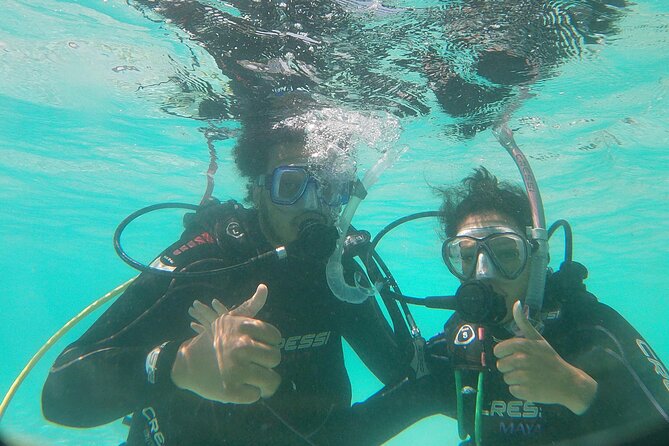
Mangel Halto Reef gives you a proper first taste of scuba, not just a quick swim with a tank. You begin with a 20-minute video, PADI reading, quiz, and hands-on practice before heading into shallow water and then the open sea. Small groups of four or fewer mean your instructor can keep a close eye on you.
I especially like that all equipment is supplied and that the program includes water, bananas, or chocolate. I also like the patient teaching style reported from instructors including Carlos, Javier, Sebastian, and Gio. The main caution is that this is not a certification course, and transport, timing, and last-minute communication have occasionally caused frustration.
Key points to know before booking
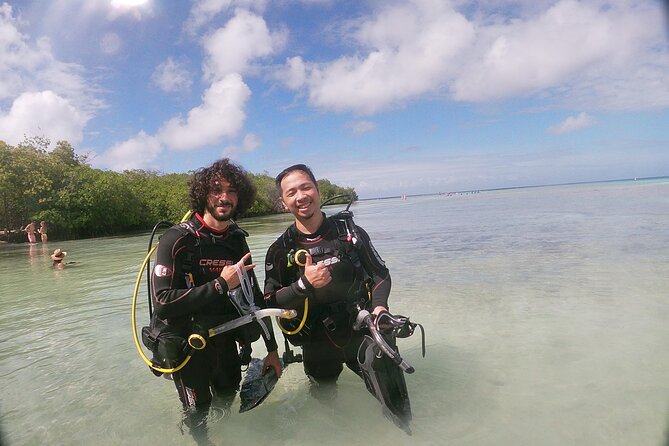
- Mangel Halto Reef: Your first open-water session takes place at one of Aruba’s popular reef areas, with coral, fish, and possible shipwreck views.
- Four-person maximum: A small group gives you more direct help when clearing your mask, managing your breathing, or handling nerves.
- Three stages of instruction: Expect learning on land, skill practice in shallow water, and a supervised open-water outing.
- All equipment included: You do not need to arrange a mask, tank, or other basic scuba gear separately.
- About three hours: The schedule includes video, reading, a quiz, equipment preparation, practice, and time in the sea.
- Pickup may be available: You can meet at the Savaneta location or request pickup, but confirm the exact meeting spot and return plan in advance.
What the Aruba Discover Scuba session really offers
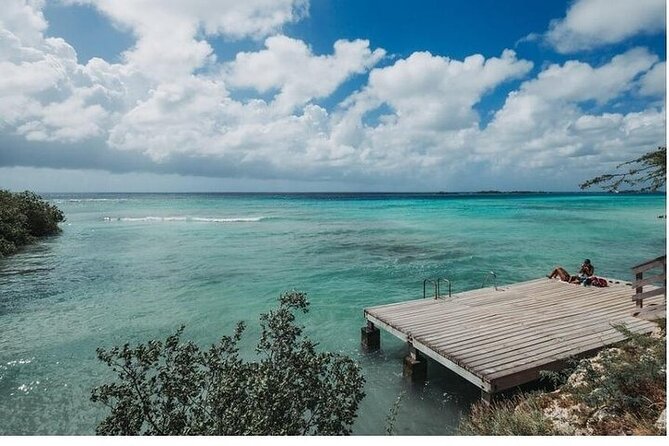
This is PADI’s Discover Scuba program, designed for people who want to try scuba without committing to a full certification course. You receive basic instruction and a Certificate of Completion, but you do not earn an Open Water certification.
That distinction matters. A certification course takes more time, includes broader training, and qualifies you for more independent scuba activities. This session is a supervised introduction. It lets you find out how you feel underwater before spending the time and money required for certification.
The experience lasts about three hours, though the full process can stretch toward three to four hours. You are not simply handed equipment and sent out. The plan moves in a sensible order: learn the basics on land, practice key skills in shallow water, then continue to Mangel Halto Reef under close supervision.
For a first attempt, this gradual approach is a major advantage. Breathing through a regulator, controlling your body position, and clearing your ears can feel strange at first. The instructors have been praised for moving slowly, explaining each step clearly, and waiting until people feel ready.
More PADI Courses in Aruba
- Half-Day Aruba Intro Diving Course for Beginners
★ 4.5 · 97 reviews - Guided Padi Discover Scuba Diving for Non-Certified Divers
★ 5.0 · 33 reviews - Barcelona: PADI Discover Scuba Diving
★ 4.7 · 1,016 reviews
Starting with the 20-minute video and PADI material
Your session begins away from the reef. You watch a roughly 20-minute video, read the PADI program material, and take a quiz. You also receive an explanation of the equipment and the basic rules for staying safe underwater.
This classroom portion may feel less exciting than the sea, but do not rush it. The purpose is to give you a few simple responses before you need them. You should understand how to communicate underwater, how to breathe through the regulator, and what to do if something feels uncomfortable.
You will also receive a Certificate of Completion. It is a record that you completed this introductory program, not a substitute for formal scuba certification.
One practical note: a small group does not mean instant service. One person described the equipment setup and required video as taking longer than expected. If you have another activity booked soon afterward, leave extra time rather than planning a tight connection.
Shallow-water practice before the reef
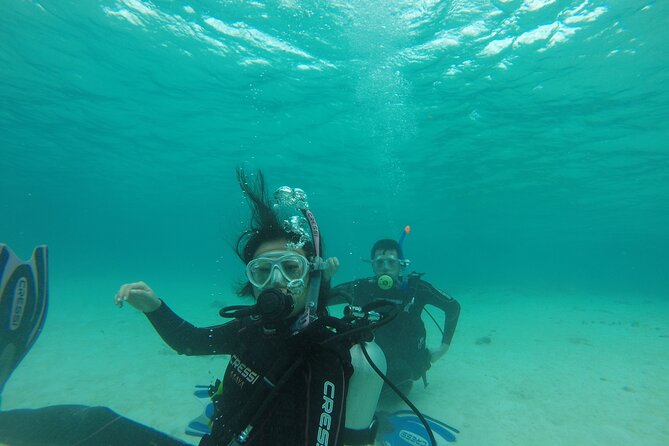
The next stage takes place in shallow water. This is where the information becomes physical and real. You put on the gear, get used to breathing through the regulator, and practice basic skills while you can still stand or remain close to the surface.
This step is especially useful if you feel nervous. Several instructors, including Carlos, Javier, Sebastian, Gio, and others, have been praised for staying calm and helping people settle before moving farther out. That patience matters more than a flashy personality. A good first session depends on feeling heard when you need a pause.
You may practice tasks such as mask and regulator skills, but the supplied details do not list every exercise. The important point is that you work through fundamental skills before the reef outing. If you struggle, say so early. The instructors can only adjust the pace if they know what you are feeling.
The small-group limit helps here. With no more than four people, the instructor has a better chance of noticing when someone is anxious, having trouble equalizing, or needs another explanation. One participant described an instructor returning immediately with a spouse who had reached their limit. That is the kind of flexibility you want in an introductory session.
Mangel Halto Reef and the first open-water outing
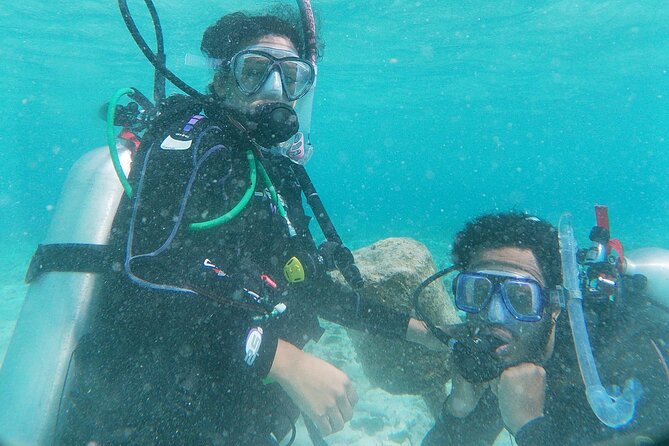
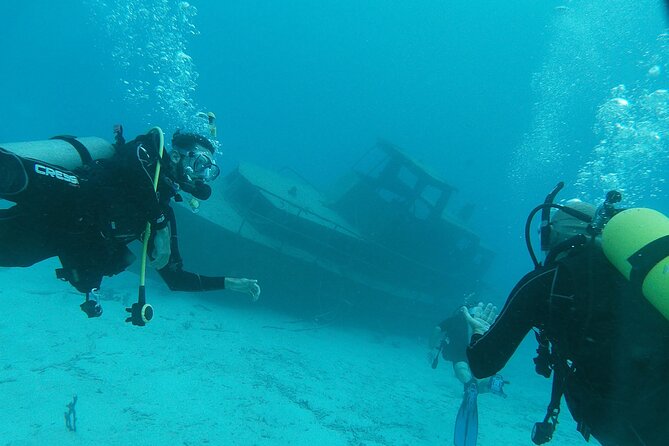
Once the instructor is satisfied that the group is ready, you head to Mangel Halto Reef. This is the payoff: a supervised look at Aruba’s underwater world, with coral and fish in the area and possible views of shipwreck sites.
One account describes the open-water portion as lasting about 45 minutes. Treat that as a useful guide, not a guaranteed duration. Your time underwater can depend on comfort, air use, conditions, and the pace of the group.
You may see fish and coral, and some outings include a shipwreck site. The exact sights are not fixed, so do not book this expecting a particular wreck or animal. The real value is getting a controlled introduction to the feel of open-water scuba in a reef setting.
The instructors also help you look around, not just manage the equipment. Participants have described guides pointing out marine life and taking photos or video with a GoPro. Confirm the current photo and video arrangement before you count on it, since one booking dispute involved conflicting information about camera availability.
The underwater setting is well suited to a first experience because the session is not built around advanced skills or a long technical route. You are there to learn, look, and decide if you want to continue with certification.
More Scuba Diving for Beginners in Aruba
- Small-Group Aruba Scuba Diving for Non-Certified Divers
★ 5.0 · 194 reviews - Private First-Time Dive on Aruba’s Reef and Wreck Site
★ 5.0 · 192 reviews - First-Time Scuba Diving in Honolulu + Free Videos
★ 5.0 · 3,123 reviews - Beginner Scuba Diving with Turtles and Videos, San Juan
★ 5.0 · 1,743 reviews
Why the four-person limit matters
A maximum of four people is one of the strongest features of this program. In a larger group, a beginner can feel lost in the crowd or hesitate to admit that something is wrong. Here, the instructor has a better chance of staying close and checking each person.
That is particularly valuable during the first minutes underwater. Some people need help with pressure changes. Others need time to become comfortable breathing through the regulator. One participant described the instructor patiently helping members of the group with pressure problems before continuing.
The group size also supports families. A 16-year-old joined two adults in one outing, and the instructors helped the group feel relaxed and secure. The available information does not provide a full age policy, so confirm the rules for your child before booking.
A small group is not the same as a private session. You still share the schedule with other people, and the pace must work for the whole group. Even so, four or fewer is a favorable setup for beginners.
What is included for the $99 price
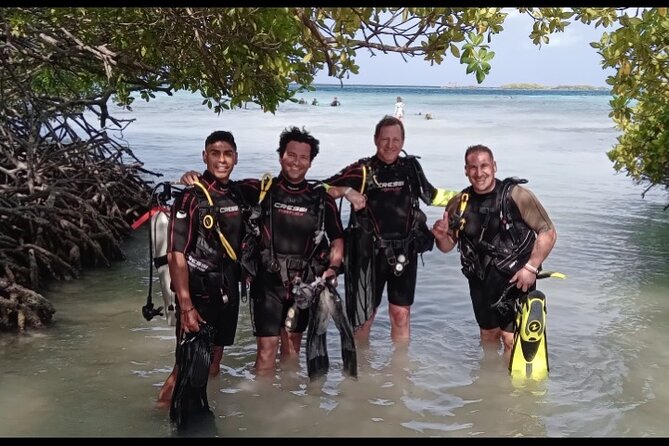
At $99 per person, the price is reasonable if you want a genuine first scuba experience rather than a brief equipment demonstration. The cost includes the instructional program, use of the scuba gear, shallow-water practice, and the supervised reef outing. Water, bananas, or chocolate are also provided.
You do not have to source tanks, masks, or other basic equipment yourself. That saves time and avoids the hassle of arranging separate rentals for a one-time tryout.
The value is strongest for someone who is curious about certification but not ready to enroll in a full course. You get a taste of the training process, real underwater time, and a chance to decide if scuba suits you.
The price is less attractive if you expect a polished sightseeing excursion with a fixed schedule and extensive transport service. The activity is a lesson first and a sightseeing outing second. You may spend a fair amount of the three-hour window watching the video, reading, completing the quiz, and preparing equipment.
The overall rating is 4.8 from 99 ratings, with 96 percent recommending the experience. That matches the main pattern: strong satisfaction with the actual instruction and underwater session, with a few complaints about communication, waiting, and transportation arrangements.
Getting there, pickup, and timing
The listed meeting point is Ir. Luymesstraat 3 in Savaneta, Aruba. You can meet there yourself or request pickup. The activity ends back at the meeting point.
Pickup can make this much easier, particularly if you are staying away from Savaneta or arriving by cruise ship. Some people received pickup near the cruise terminal, but the exact meeting instructions were not always clear until shortly before the session. If you are coming from a ship, make sure you know precisely where to stand and how to identify the vehicle.
The transport plan may involve more than one vehicle. One person described belongings being moved between vans, with a shirt briefly misplaced and later found. Keep valuables to a minimum and check your belongings before leaving each vehicle.
Do not automatically assume you can finish at another beach or hotel. Some arrangements were discussed in advance but did not match the final drop-off. Confirm both pickup and return details directly before the day of the activity.
The tour is near public transportation, but the information does not specify routes or fares. A mobile ticket is accepted, and booking confirmation is provided at the time of reservation.
Safety, fitness, and who should think twice
You need a moderate level of physical fitness. You will handle scuba equipment, enter shallow water, and spend time in the sea. The activity is supervised, but it is not a passive boat ride.
The program information does not set out a detailed swimming requirement. One person who could not swim said the instructor had indicated that previous experience was not needed, but you should not treat that as a universal guarantee. Ask the operator directly about your swimming ability, medical concerns, and comfort in open water before paying.
You should also be honest about anxiety. Nervousness is common, and the instruction is designed to build confidence gradually. Still, you should never feel pressured to continue. The strongest part of this program is the instructors’ reported willingness to slow down, repeat an explanation, or bring someone back when they have had enough.
People with previous training can use this as a refresher, too. One participant had completed PADI training years earlier but never made the open-water outing, and found the session useful before pursuing certification. It can also help certified or formerly trained people regain basic comfort, although you should confirm with the provider whether this exact program fits your situation.
Communication and cancellation details that matter
The booking terms allow free cancellation up to 24 hours before the start time. Inside that window, changes and cancellations are not accepted and the payment is not refunded.
This is worth taking seriously. One booking became tangled after a request to change the time and replace a sick partner with another family member. The issue involved direct messaging, timing, pickup expectations, and the 24-hour rule. If someone in your party may not be able to attend, contact the booking platform and the operator well before the cutoff, and keep the arrangements in writing.
Avoid paying outside the booking system unless you fully understand why and receive clear written terms. The advertised price is $99 per person, and any separate transport charge or different direct-booking price should be settled before the activity.
The instructors make or break the experience
The most praised part of this program is the teaching. Carlos is repeatedly described as patient and calming. Javier is praised for careful, attentive instruction, and Sebastian for making difficult steps easier to understand. Gio is also described as reassuring during a first session.
Different instructors may lead the activity on different days, so you cannot assume a particular person will be assigned. Still, the repeated pattern is clear: the program works best when the instructor treats the session as training, not as a race to get underwater.
You should expect direct guidance both before and during the reef outing. The instructors explain the rules, watch for discomfort, and help point out fish and coral. That combination of instruction and supervision is what makes this more useful than simply renting gear.
Who should book this Aruba experience
This suits you if you:
- Have always wanted to try scuba but do not yet hold a certification
- Want a small group instead of a large resort activity
- Prefer a gradual introduction with land and shallow-water practice
- Are considering a full PADI course and want to test your comfort first
- Have previous training but want a supervised refresher
- Value patient instruction more than a fast, packed itinerary
It may not suit you if you need an exact end time, a guaranteed alternative drop-off, or a fully flexible cancellation policy. It is also a poor choice if you are unwilling to discuss swimming ability, health concerns, or water anxiety with the operator before booking.
Should you book the Mangel Halto Reef session?
Yes, if your goal is to try real scuba under close supervision. The $99 price, supplied equipment, four-person maximum, and patient instruction make this a useful first step. Mangel Halto adds genuine reef scenery, fish, coral, and possible shipwreck views, rather than keeping you in a pool.
Book with care if your schedule is tight. Allow extra time for the video, quiz, equipment setup, and transport. Confirm the pickup point, return location, photo arrangements, and any swimming or health requirements before the 24-hour cancellation deadline.
For a curious beginner, this is a practical way to find out if scuba belongs in your future. Just remember what you are buying: a supervised introduction, not a license to scuba independently.
FAQ
Is this a scuba certification course?
No. It is PADI’s Discover Scuba program and provides an introduction to scuba under direct professional supervision. You receive a Certificate of Completion, but not an Open Water certification.
How long does the experience take?
The program lasts about three hours, though the full process may take three to four hours. The schedule includes instruction, a video, reading, a quiz, shallow-water practice, and the reef outing.
Where does the activity start and finish?
It starts at Ir. Luymesstraat 3 in Savaneta, Aruba, and ends back at the meeting point.
Can I request pickup?
Yes. Pickup is offered, or you can meet at the designated location. Confirm the exact pickup point and return plan before the activity, especially if you are coming from a cruise terminal.
How many people are in each group?
The maximum is four participants.
Is scuba equipment provided?
Yes. The necessary scuba equipment is provided as part of the program.
What refreshments are included?
Water, bananas, or chocolate are provided.
What will I do before entering open water?
You will watch a roughly 20-minute video, read the PADI program material, take a quiz, and practice skills in shallow water before heading to Mangel Halto Reef.
What is the cancellation policy?
You can cancel at least 24 hours before the start time for a full refund. Cancellations or changes made less than 24 hours before the activity are not accepted and are not refunded.
More Dives for Certified Divers in Aruba
- Aruba 2-Tank Dive Excursion for Certified Divers
★ 4.5 · 230 reviews - Aruba Certified Scuba Diving
★ 5.0 · 182 reviews - Aruba 2-Tank Guided Dive for Certified Divers / rental equipment
★ 4.5 · 70 reviews - Shore Dive Aruba for Certified Divers
★ 4.5 · 33 reviews
Newest dives added in Aruba
- Shore Dive Aruba for Certified Divers★ 4.5 · 33 reviews
- Private Dive + videographer/Photographer (Certified divers only)★ 5.0 · 11 reviews
- Night Shore Diving Mangel Halto Aruba for Certified Divers★ 5.0 · 6 reviews
- Private Dive at Shipwreck + Beautiful Reef Spot(Certified divers)★ 3.0 · 2 reviews
- Guided Padi Discover Scuba Diving for Non-Certified Divers★ 5.0 · 33 reviews
- Half-Day Aruba Intro Diving Course for Beginners★ 4.5 · 97 reviews
- Boat Dive Shipwreck/ Airplanes/ Reef /2 tanks★ 4.0 · 13 reviews
- Aruba Flyboarding & Jetovator Experience: Fly Like a Bird & Dive Like a Dolphin★ 4.5 · 64 reviews
PADI Courses & Certification, compared.
Tossa de Mar: PADI Discovery Scuba Diving in Costa Brava
Read our review →
Full-Day Beginner Scuba Course with Private Tuition, Racha Yai
Read our review →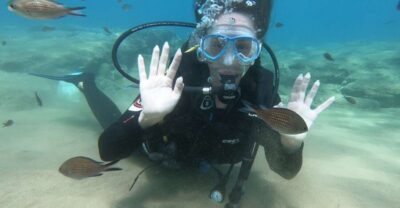
Heraklion: Beginner Scuba Diving Lesson with PADI Instructor
Read our review →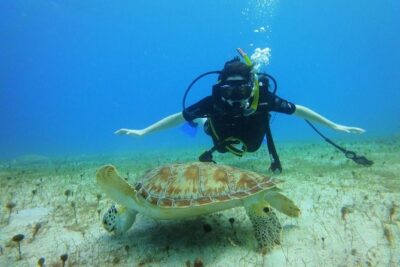
Discover Scuba Diving with No Certification in St Thomas
Read our review →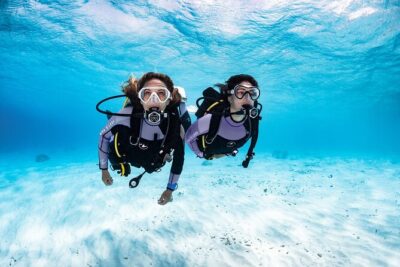
Try Dive – PADI Discover Scuba Diving in Tenerife
Read our review →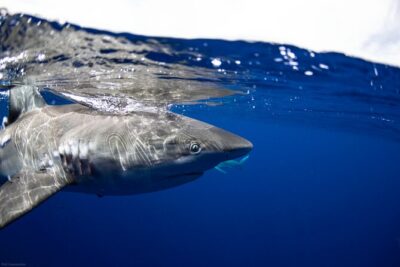
Browse the lists this dive appears in