
Reviewed · WRECK DIVING
Miami Guided 2-Tank Scuba Diving: South Florida’s Reefs & Wrecks
Miami’s underwater side is the real draw here. Your morning includes a wreck at 60 to 70 feet, followed by a shallower reef at about 30 feet, giving you two very different settings in one outing. Favorite sites include the C-One wreck, Army Tanks, Radio Towers, Rockpile, and The Trench.
I like the six-person maximum, which keeps the group personal and makes it easier to stay near your guide. I also like that solo scuba participants are welcome, with tanks, weights, snacks, and soft drinks included. The main catch is simple: you must be certified and have gone underwater within the last 12 months.
Key Points
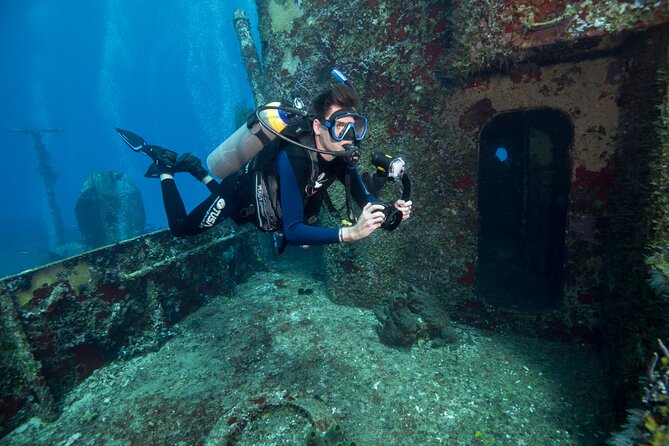
- Two contrasting sites: Begin at a 60 to 70 foot wreck, then move to a 30 foot reef.
- Small guided group: No more than six people keeps supervision close and the pace manageable.
- Solo participants accepted: You do not need to arrive with a partner or group.
- Recent certification required: You must hold scuba certification and have gone underwater within the past year.
- Early Miami start: Meet at 7:15 am at 13936 Collins Ave in Miami Beach.
- Good practical inclusions: Air tanks, weights, snacks, and soda are provided, but the rest of the scuba equipment is not.
Two Different Underwater Settings in One Morning
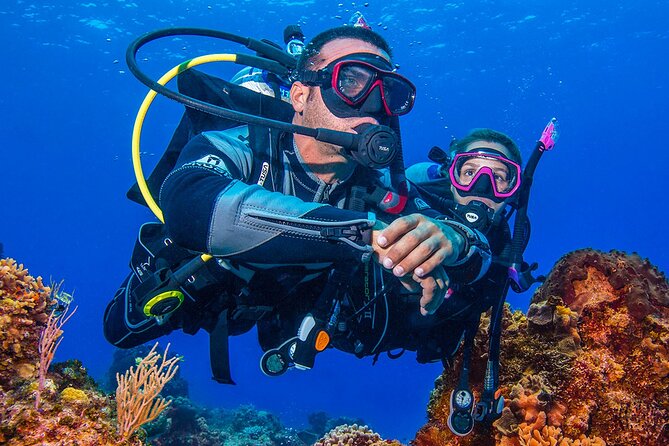
The smartest feature of this Miami outing is the change in depth and scenery between the two sessions. You start on a wreck between 60 and 70 feet, then move to a reef around 30 feet. That gives you a more varied morning than an outing that repeats the same kind of site.
The first location may be one of the operator’s regular wreck choices, including the C-One wreck, Army Tanks, or Radio Towers. The exact site is not guaranteed, so you should think of these as possible locations rather than fixed stops. Still, the range is useful: a wreck adds structure, history, and plenty of places for marine life to gather.
The second stop is shallower and may be at Rockpile or The Trench. At roughly 30 feet, the reef session is less demanding in terms of depth and gives you another chance to look around after the deeper first outing. The contrast also helps break up the morning. You are not simply repeating the same view with a fresh tank.
The listed locations suggest a mix of artificial structures and natural reef habitat. That matters because wrecks and reefs offer different ways to observe the sea floor. A wreck can create a more defined route, while a reef tends to spread your attention across rock, fish, and open water.
More Reef Diving in the USA
- Certified Diver: 2-Tank Deep Wreck and Shallow Reef Dive Off Oahu
★ 5.0 · 331 reviews - Incredibly Fun Coral Reef Giant Sea Turtles 4hour Boat Scuba Tour
★ 4.5 · 300 reviews - Certified Diver: 2-Tank Shallow Reef Dives off Oahu
★ 5.0 · 278 reviews
What the Wreck Session Means for You
The wreck comes first, at 60 to 70 feet. That depth is well within ordinary recreational scuba territory, but it is not a shallow introduction for someone who has never been underwater before. You need certification and recent practice, and the requirement to have gone within the last 12 months is a useful safety filter.
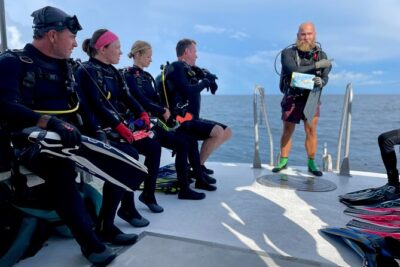
At a wreck site, your guide’s role matters. You will be exploring in a small group of no more than six, with supervision throughout the outing. That arrangement should make it easier to stay together and ask for help if you need it.
The staff’s named favorites, C-One wreck, Army Tanks, and Radio Towers, give you an idea of the type of setting the morning may include. The exact wreck depends on the day’s plan and conditions. You should not book this expecting one specific structure unless the operator confirms it directly.
The deeper first session can also affect how you feel during the rest of the morning. If you are a newer certified participant, tell the staff about your comfort level before entering the water. One useful detail from the feedback is that a newer scuba participant found the staff attentive and reassuring. That points to a practical strength of the operation: the small group allows the guide to keep an eye on individual needs.
Why the Shallower Reef Comes Second
The reef session takes place at about 30 feet, much shallower than the wreck. That makes it a sensible second stop. After a deeper first outing, you get a lower-depth setting where you can focus more on fish, reef features, and general observation.
Possible reef sites include Rockpile and The Trench. These names are not just interchangeable labels. A reef stop can feel more open and natural than a wreck, with marine life spread through the area rather than concentrated around one large object.
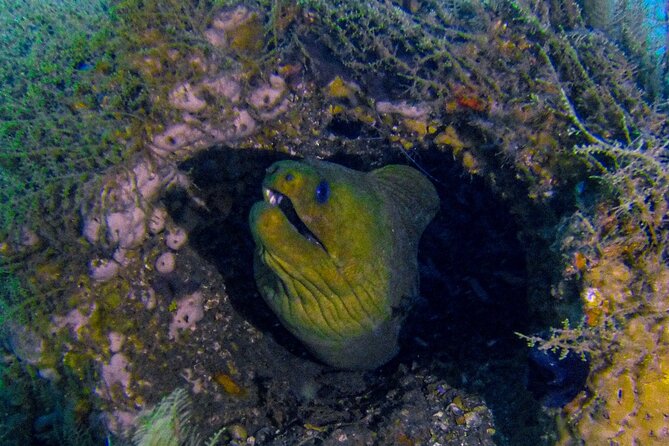
The reef also offers a different visual rhythm. At the wreck, you may spend more time following the form of a vessel or structure. At the reef, you may find yourself scanning across rock and open water. One German-language account specifically noted large schools of fish and nurse sharks, though wildlife is never guaranteed on a particular morning.
The shallower depth can be appealing if you want variety without making both sessions demanding. It is also a good reason to avoid thinking of this as simply a two-tank quantity deal. The value comes from the contrast between the two sites.
Small Groups Make a Real Difference
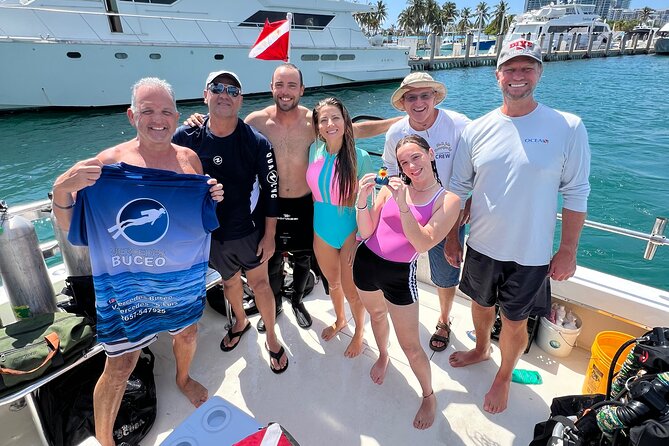
The maximum group size is six people. That is one of the most important details here, especially for anyone who prefers a quieter, more controlled outing.
A six-person group gives the guide fewer people to monitor than a large boat operation. It should be easier to stay with the group, receive clear directions, and speak up if something feels uncomfortable. The guide remains responsible for the group, but your own certification and recent practice still matter.
This setup is also useful for solo participants. You do not need to organize a buddy group before booking. The activity welcomes people who arrive alone, which removes one common hurdle for independent scuba participants.
Small groups do not guarantee a private charter. You may still share the morning with other certified people. But the six-person cap keeps the outing from becoming a crowd, and that is especially valuable at wreck sites where spacing and awareness matter.
The published satisfaction figures are strong: a 4.8 rating from 39 ratings, with 95 percent recommending the activity. More useful than the number alone is the pattern behind it. Praise centers on friendly, attentive staff, comfortable support for a newer certified participant, good equipment condition, and the quality of the sites.
More Two-Tank Boat Dives in the USA
- 2 Tank Lanai Cathedral Scuba Dive Via Boat for Certified Divers
★ 5.0 · 548 reviews - Waikiki 2 Tank World Class Wreck SCUBA Diving – Certified Only
★ 4.5 · 205 reviews - Kauai’s Ultimate South Shore 2 Tank Dive (Certified Divers Only)
★ 5.0 · 190 reviews - Kauai’s Ultimate Discover Scuba Dive – OCEAN EXPERIENCE (1 Tank Dive)
★ 5.0 · 186 reviews
Equipment, Snacks, and What You Must Bring
Air tanks and weights are included. Snacks and soda are included, too, which is handy after two sessions in the water. These are small details, but an early morning on a boat or near the coast is easier when you do not need to arrange every basic refreshment yourself.
The important omission is scuba equipment. The information lists use of scuba equipment as not included, so you should clarify exactly what you need to rent or bring before you arrive. Tanks and weights are covered, but that does not mean a full set of breathing, exposure, and safety equipment is supplied.
This is the point to check carefully with Squalo Divers. Ask what is available for rental, what the rental charge is, and which personal items you should provide. The feedback includes a positive note about rental gear being in top condition, but the listed price does not state that rental equipment is included.
The price is $126 per person. That is a fair value if you already have the needed gear or if rental charges remain reasonable. It includes the guided structure, two tanks, weights, snacks, and drinks, while the small group adds value that a larger operation may not offer. Your final cost can rise if you need a complete equipment package.
The Early Start at Miami Beach
You meet at 7:15 am at 13936 Collins Ave in Miami Beach. The activity lasts about four and a half hours and ends back at the same meeting point.
That early start is practical for a water outing. You get on the water in the morning and should finish with much of the day still available. It also means this is not a casual late-morning activity. Plan your morning around getting to the meeting point on time.
The location is near public transportation, which helps if you are staying in the Miami Beach area and do not have a car. The supplied information does not specify transport from hotels, so you should arrange your own way to the meeting point.
Because the day begins early, I would avoid pairing this with a late night beforehand. You need to arrive ready for a certified scuba activity, not rushed and short on sleep. The four-and-a-half-hour duration includes the morning’s overall schedule, not four and a half hours underwater.
Weather and Sea Conditions Matter
This activity requires good weather. If conditions force a cancellation, you are offered another date or a full refund. That policy is useful, but weather can still disrupt carefully planned Miami schedules.
Poor conditions can affect visibility, comfort, and safety. A change of date may be a better outcome than forcing a trip in rough weather, especially when the itinerary includes a deeper wreck followed by a reef.
You can cancel for a full refund if you do so at least 24 hours before the start time. Cancellations made within 24 hours are not refunded, and changes inside that window are not accepted. The cut-off uses local Miami time.
There is also a minimum number of participants. If the operator cancels because that minimum is not reached, you receive the choice of another date or activity, or a full refund. Keep this in mind if you are building a tightly timed holiday schedule.
Who Will Get the Most from This Outing
This is a strong match for certified scuba participants who want two different Miami sites in one morning. It suits people who prefer a small group, want close guide supervision, or are arriving alone.
It can also work well for newer certified participants who have maintained recent practice and want reassurance from an attentive crew. You still need to be comfortable meeting the certification and 12-month activity requirement. This is not a learn-to-scuba lesson or a first-ever underwater session.
Experienced participants may appreciate the named wreck and reef choices, along with the chance to see large fish schools or nurse sharks. The small group should make the morning more personal than a large commercial outing.
You may want to look elsewhere if you need all equipment included in the headline price, cannot meet the early start, or have not gone underwater during the past year. You should also skip it if you are looking for a guaranteed specific wreck, since the possible sites can vary.
Is $126 a Good Price?
At $126 per person, the value depends on your equipment needs. Tanks, weights, two guided sessions, snacks, and drinks are included. The six-person limit is another real benefit, since a smaller group usually means more direct supervision and less time waiting for other participants.
The price is less attractive if you need a full equipment rental package and those fees are added separately. The available information does not give rental prices, so ask for the total before booking. The note about rental gear being in top condition is encouraging, but condition and cost are separate questions.
For a certified participant with personal equipment, $126 is easier to justify. You are paying for two contrasting sites, a guide, boat or outing logistics, and a small group rather than arranging the morning yourself. For a first-time participant, the certification rule makes the price beside the point, since you cannot join without the required background.
Should You Book It?
Book this Miami scuba outing if you are certified, have gone underwater within the last 12 months, and like the idea of a wreck followed by a shallower reef. The best reasons are the six-person maximum, solo-friendly policy, attentive staff, and variety between the C-One wreck, Army Tanks, Radio Towers, Rockpile, and The Trench.
Before paying, confirm equipment rental costs and the likely site plan. If you can handle the 7:15 am meeting time and accept that weather or minimum numbers may change the schedule, this is a focused way to see Miami from below the surface. If you need a beginner lesson or a full equipment package with no extra charges, choose a different activity.
FAQ
Where does the scuba outing start?
It starts at 13936 Collins Ave, Miami Beach, Florida 33154.
What time should I meet the group?
The scheduled start time is 7:15 am.
How long does the activity last?
The outing lasts approximately four hours and 30 minutes.
How many people can join?
The maximum group size is six participants.
Can I join alone?
Yes. Solo scuba participants are welcome.
Do I need scuba certification?
Yes. You must be scuba certified to participate.
How recent must my scuba experience be?
You must have gone underwater within the last 12 months.
What is included in the price?
Air tanks, weights, snacks, and soda are included.
What happens if weather cancels the outing?
You are offered another date or a full refund if poor weather causes the cancellation.
More Wreck Diving in the USA
- Wreck and Bridge Span Dive for Certified Divers
★ 5.0 · 521 reviews - Certified Divers: Best 2-Tank Wrecks & Reef Boat Dive All Inclusive From Waikiki
★ 5.0 · 41 reviews - Small-Group Deep Dive in Oahu with Shipwreck and Reef
★ 5.0 · 33 reviews - Oahu: Wreck & Reef Scuba Dive for Certified Divers
★ 4.8 · 17 reviews
Newest dives added in the USA
- Private Scuba Diving Expert-Led Excursion Training with Tour★ 4.5 · 9 reviews
- Santa Fe Deep Dive History Walking Tour★ 4.5 · 14 reviews
- Scuba Certification★ 5.0 · 77 reviews
- No Experience Required to Discover Scuba in Florida★ 5.0 · 51 reviews
- Small Group Guided Shore Dives in St. Andrews State Park, Florida★ 5.0 · 52 reviews
- 2 Tank Private SCUBA Party Diving Charter from Waikiki Hawaii★ 4.5 · 34 reviews
- Discover Scuba Diving in Hawaii – Non certified divers!★ 5.0 · 3 reviews
- Two Tank Wreck and Drift Dive in Oahu★ 4.5 · 7 reviews
Wreck Diving, compared.
Wreck and Bridge Span Dive for Certified Divers
Read our review →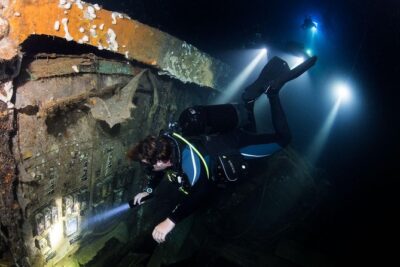
Bali Diving for Beginners: Tulamben Liberty Wreck
Read our review →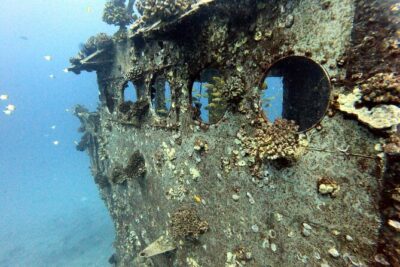
Certified Diver: 2-Tank Deep Wreck and Shallow Reef Dive Off Oahu
Read our review →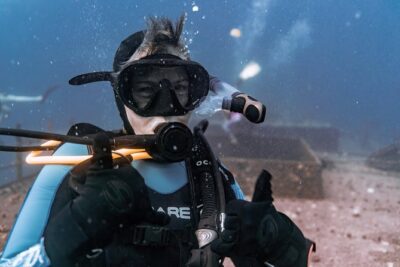
Waikiki 2 Tank World Class Wreck SCUBA Diving – Certified Only
Read our review →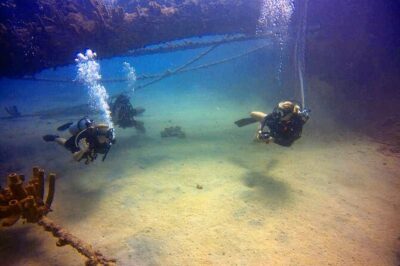
Private First-Time Dive on Aruba’s Reef and Wreck Site
Read our review →Tulamben Diving USS Liberty Shipwreck Scuba Dive
Read our review →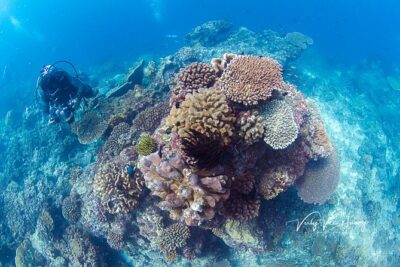
Bali Diving Day Trip-Manta Point/Tulamben Shipwreck-Fun Dive
Read our review →Browse the lists this dive appears in