
Reviewed · PADI COURSES & CERTIFICATION
Great Keppel Island PADI Discover Scuba Dive with Keppel Dive
Great Keppel Island gives you a gentler way into scuba than a large offshore reef operation. You complete the basics on the island, then head by boat to reef sites in the Great Barrier Reef for a 30 to 45 minute underwater session with an instructor. The short format works well if you are curious but not ready to commit to a full certification course.
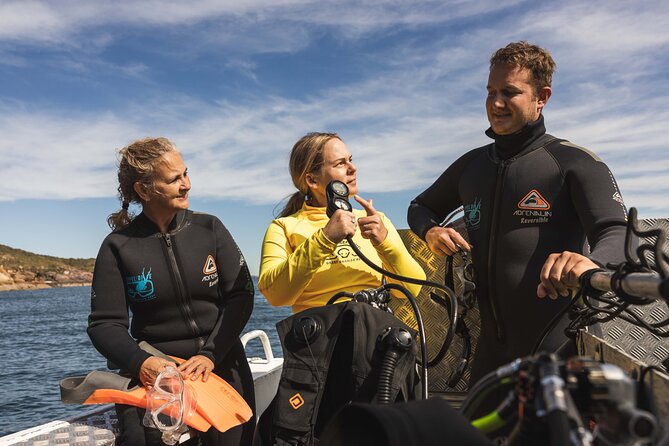
I like two things right away: the small maximum group of eight, which should allow more attention from the instructor, and the chance to practise skills before leaving shore. The professional team has also earned praise for clear teaching, careful support, and friendly service, including help in Spanish from Sol.
The main drawback is the sea crossing. Rough water can make the 45 minute boat trip uncomfortable, and visibility is not guaranteed after poor weather. Lunch is not included, and you must arrange your own ferry to Great Keppel Island if needed.
Key points to know before booking
- Your first scuba session is built around learning: Paperwork, basic theory, equipment familiarisation, and in-water skills come before the ocean session.
- The underwater portion lasts 30 to 45 minutes: That is enough for a real introduction, but this is not a full certification course.
- The group is capped at eight people: A useful advantage for first-timers who want direct help.
- The reef setting is the main attraction: Great Keppel Island leads to sites in the Great Barrier Reef and Southern Great Barrier Reef.
- Sea conditions matter: Rough water can affect the boat ride, comfort, and underwater visibility.
- The price is $132.69 per person: Equipment, instruction, fees, and taxes are covered, but lunch and ferry costs are extra.
A friendly first step into scuba
A PADI Discover Scuba session is designed for one clear purpose: to let you try scuba without signing up for a longer qualification. That makes this a sensible choice if you are visiting Queensland, have always wondered what breathing underwater feels like, or want to test your comfort before taking an open-water course.
You begin with essential paperwork and a basic theory lesson. This is not filler. For a first-timer, it explains how the equipment works, what your instructor will ask you to do, and how to respond underwater. You then become familiar with the gear and practise skills in the water before heading farther from the island.
I like that order. It gives you time to get used to the mask, regulator, buoyancy equipment, and other scuba gear before the boat reaches the reef. If you feel nervous, those early exercises are your chance to ask questions and settle into the equipment.
The session is led by a qualified instructor, and all scuba equipment is provided. You do not need to buy or carry a personal set of gear for this experience. The most useful preparation is mental: listen closely, move slowly, and tell the instructor if something feels uncomfortable.
More PADI Courses in Australia
- Cairns: 4-Day PADI Open Water Course
★ 4.8 · 44 reviews - Quicksilver Dive 4 Day PADI Learn to Dive Course
★ 5.0 · 35 reviews - Gold Coast: 3-Day PADI Open Water Course
★ 4.8 · 28 reviews
What happens from the noon meeting time
The activity starts at 12:00 pm at Great Keppel Island, also known as Wop-pa Island. It ends back at the same meeting point, so you should plan the rest of your day around a three-hour activity rather than expecting a quick one-hour outing.
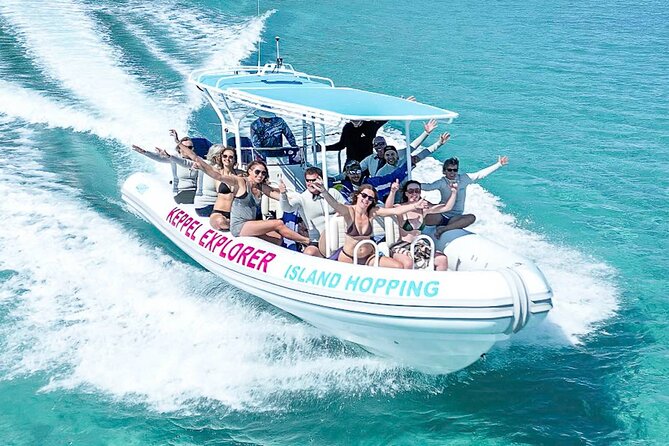
After the paperwork, theory, and equipment practice, you board the boat for the reef site. The boat journey is part of the experience, but it is also the part most affected by the weather. A rough crossing can feel lively and uncomfortable, especially for anyone prone to seasickness. One account described a choppy ride as lasting about 45 minutes, so bring a sensible attitude toward open water.
The crew explains what happens when you arrive. The boat trip is not simply transport. It moves you from the sheltered learning stage to the real ocean session, where your instructor can guide you over reef habitat.
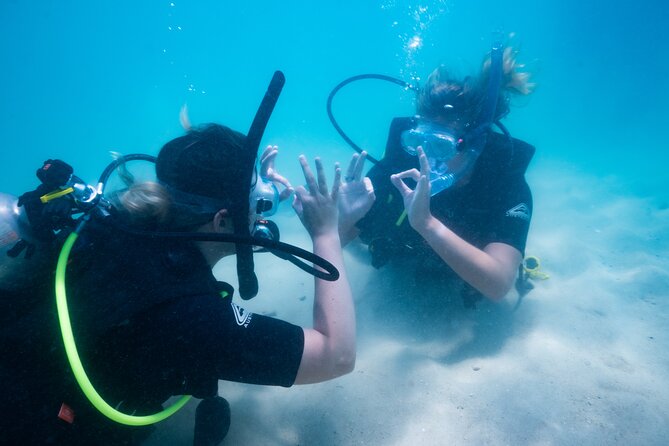
The underwater portion lasts about 30 to 45 minutes. That timing depends on the session and your comfort, but it gives you enough time to practise the basics while seeing the reef environment. You are not expected to manage an independent scuba trip. The instructor remains central to the experience.
Afterward, the boat returns to Great Keppel Island. Since lunch is not included, plan food separately. The midday start may suit you if you want a relaxed morning, but it leaves less room for another major activity later in the afternoon.
Great Keppel Island before the boat ride
Great Keppel Island is more than a departure point. It gives the activity a scenic island setting and helps create a clear break between ordinary holiday plans and your first underwater session.
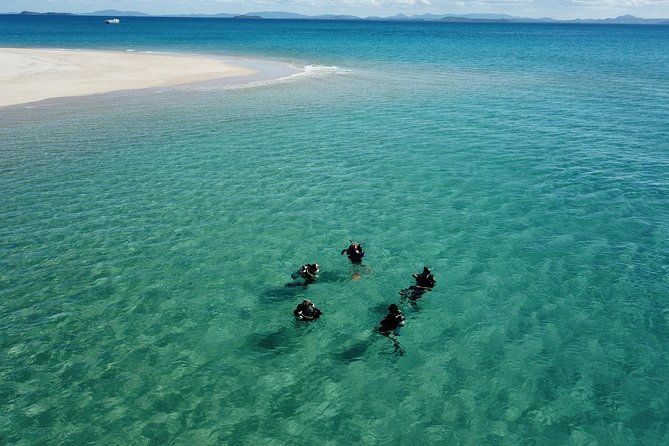
The itinerary identifies Great Keppel Island, the Great Barrier Reef, and the Southern Great Barrier Reef as the main areas connected with the experience. The exact site can depend on sea conditions and the crew’s judgment. That flexibility is useful because the best site is not always the one closest to the island.
The surrounding waters can offer more than coral. Marine life reported in the area includes turtles, porpoises, sea hares, moray eels, sea cucumbers, and leopard sharks. A basking leopard shark was described as a rare and exciting sighting, but you should treat all wildlife as a possibility, not a promise. Reef conditions, timing, and luck decide what appears.
I appreciate that the operation has also been involved in survey and exploratory work around sites such as Monkey Reef and Halfway Island. That does not guarantee a particular stop on your session, but it suggests the local team spends time paying attention to the reef beyond the standard sightseeing route.
For a first scuba experience, the island setting also has a practical benefit. You are not committing to a long, expensive offshore package before knowing if you like the equipment and sensation of breathing underwater.
Reaching the Great Barrier Reef by boat
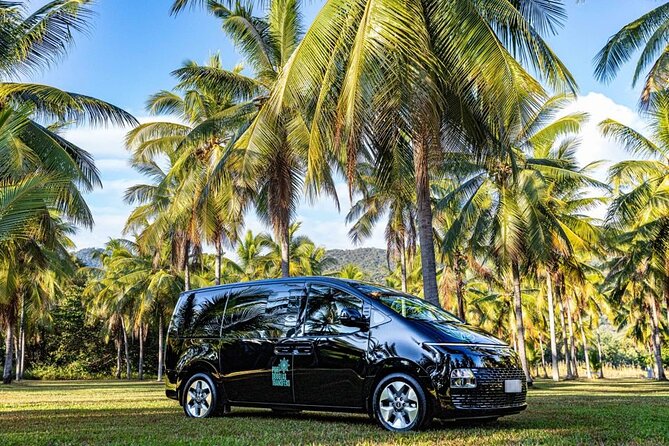
The boat ride adds a sense of occasion, but it is worth treating it as a real part of the trip rather than a minor transfer. Conditions may be calm, or the crossing may be rough. The tour requires good weather, and the operator can cancel if conditions are poor.
That weather rule protects the quality and safety of the session. If poor weather cancels the trip, you can choose another date or receive a full refund. You can also cancel for a full refund if you do so at least 24 hours before the start time. Changes or cancellations made inside that 24-hour window are not accepted for a refund.
If you are sensitive to motion, ask about practical precautions before setting out. The supplied information does not specify seasickness facilities or medication, so do not assume those will be available. Wear sensible sun protection and bring anything you normally need for a boat journey.
The boat experience can also be rewarding if conditions are good. One local skipper, Tom, has been praised for giving an informative circuit of Keppel Island and stopping at special spots for walking and sightseeing. That particular account concerned an island circuit rather than this exact scuba format, so I would not assume the same route or commentary here. Still, it reflects the broader value of choosing a local operator that knows the waters.
Another way to get in the water in Australia:
- Great Barrier Reef Snorkeling and Diving Cruise from Cairns
★ 4.5 · 3,714 reviews - Ocean Freedom Great Barrier Reef Luxury Snorkel and Dive Cruise
★ 5.0 · 1,895 reviews - Cairns: Premium Snorkelling and Diving Reef Day Trip
★ 4.7 · 1,528 reviews - Cairns: Outer and Coral Cay Snorkel and Dive Cruise
★ 4.8 · 1,467 reviews
Reef sights and underwater expectations
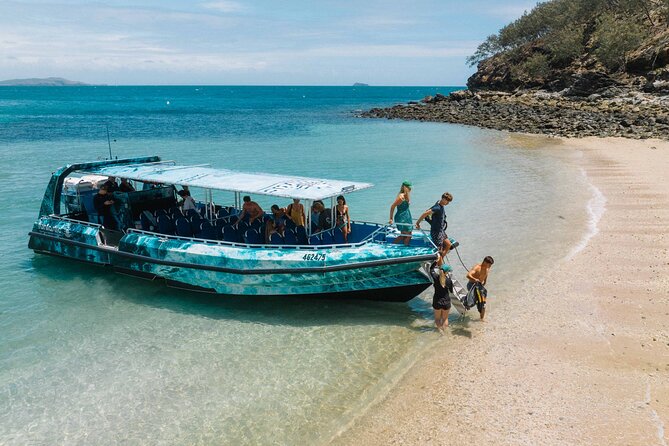
The appeal of this trip is not simply ticking scuba off a list. You get a short introduction to the way reef life looks from below the surface, where fish, coral, and other creatures occupy a very different world from the shoreline.
Your instructor controls the pace. That matters because first-timers often need a few minutes to adjust to breathing through a regulator, clearing a mask, and managing their position in the water. The session is not a race to cover distance. It is a guided chance to become comfortable and notice what is around you.
Visibility can vary. After a cyclone and choppy weather, the crew travelled farther in search of better conditions. That kind of decision can improve the experience, but it may also mean more time on the boat. You should value safe and reasonable site selection over a rigid promise about exactly where you will go.
Wildlife sightings can be memorable. Turtles and porpoises are possible highlights, while a leopard shark would be an unusual bonus. You may also encounter smaller reef life such as sea hares, moray eels, and sea cucumbers. Nothing in the experience guarantees these animals, so book for the chance to observe a living reef rather than for one specific creature.
If you mainly want to see coral without scuba equipment, the company also operates snorkelling activities. This particular product is better suited to someone who wants to try breathing underwater under close instruction.
The teaching team and the value of small groups
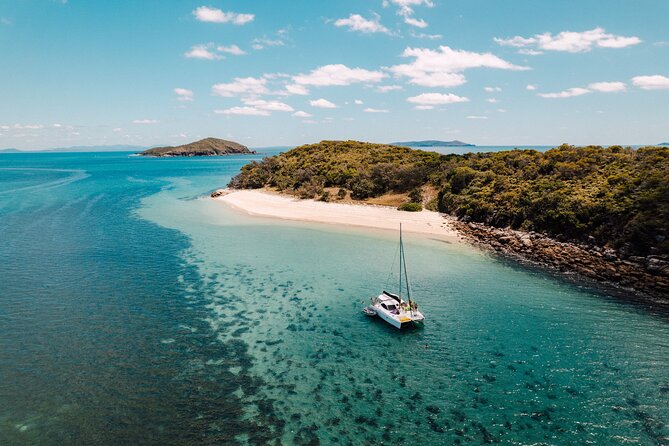
The maximum of eight participants is one of the strongest practical features. A first scuba session works better when you can hear the instructor, receive direct corrections, and ask questions without competing with a large crowd.
The staff named in the supplied information include Antonio, Sol, Anton, and Inés. Antonio has supported snorkellers, including children, with towing assistance when needed. Anton and Inés have taught open-water students in a way that made them feel safe and understood. Sol has helped Spanish-speaking visitors get clear information before their first session.
Those examples come from related Keppel Dive activities, so you should confirm the day’s instructor when booking. Still, they show the type of support available through the wider team: patient explanations, attention to individual needs, and a calm approach for people who are new to the water.
The experience requires a moderate level of physical fitness. You should be comfortable getting into the boat, handling basic equipment, and taking part in a water-based activity. Service animals are allowed, and the meeting point is near public transportation, although you still need to arrange the ferry to the island if your plans require one.
Is $132.69 a fair price?

At $132.69 per person, the price is reasonable for someone who wants a genuine first scuba session without paying for a full qualification. You receive scuba equipment, professional instruction, all fees, and taxes. The 30 to 45 minute ocean session is the key value, since you are not merely watching a demonstration from shore.
The price does not cover lunch or ferries. That matters most if you are staying on the mainland and need to add transport to Great Keppel Island. Work out the total day cost before booking, especially if several people in your group need ferry tickets.
The small group also improves the value. You are paying for instruction as well as access to the reef, and direct help is especially important when you are learning. A cheaper large-group trip may not offer the same level of attention, though this listing does not provide a direct comparison.
I would compare this with the price of a full Great Barrier Reef package only if you want a longer day or a formal qualification. For a short test run, the Keppel option has a clear advantage: you can discover if scuba suits you before spending more time and money on a course.
Who will get the most from this experience?
This suits first-timers, short-stay visitors, couples, families with suitable participants, and anyone considering an open-water course. You should choose it if your main question is simple: Do I actually enjoy being underwater with scuba equipment?
It is also useful for people who want reef access without paying the prices often attached to larger offshore Great Barrier Reef trips. The reef setting is still a major part of the day, while the format remains short and focused.
I would be more cautious if you dislike boat motion, have a low fitness level, or want guaranteed calm water and clear visibility. The crew can work around weather by changing the date or selecting a better site, but nature still has the final say.
This is not the right choice if you want a full certification, a long series of reef stops, or lunch included in the price. It is an introduction, not a replacement for formal open-water training.
Should you book the Keppel Island scuba session?
Book it if you want a well-supported first taste of scuba in a Great Barrier Reef setting. The small group, included equipment, qualified instruction, and 30 to 45 minute ocean session make it a practical starting point. I especially like the chance to learn basic skills before travelling to the reef, rather than being asked to figure everything out on the boat.
Before booking, check your ferry plans, allow for rough water, and keep your wildlife expectations realistic. If the weather is unsettled, use the flexible cancellation terms rather than forcing the trip into a bad forecast.
For a short, affordable introduction with a local team and real reef time, this is a strong choice. If you already hold certification or want a full day underwater, you will likely need a more advanced product instead.
FAQ
Where does the experience start and finish?
It starts and finishes at Great Keppel, also called Wop-pa, Island in Queensland, Australia.
What time does the activity start?
The scheduled start time is 12:00 pm.
How long does the experience last?
The activity lasts approximately three hours. The scuba session itself takes about 30 to 45 minutes.
Is scuba equipment included?
Yes. Use of scuba equipment is included in the price.
Is instruction included?
Yes. Professional and qualified instruction is included, along with all fees and taxes.
Is lunch included?
No. Lunch is not included.
Are ferry tickets included?
No. Ferry transport to Great Keppel Island is available at an additional cost.
What happens if bad weather cancels the trip?
If poor weather causes cancellation, you can choose another date or receive a full refund. You may also cancel at least 24 hours before the start time for a full refund.
More Discover Scuba Diving in Australia
- Gold Coast: Introductory SCUBA Diving Experience
★ 4.4 · 34 reviews - Sydney: Discover Scuba Dive at Australia’s most Iconic Beach
★ 4.8 · 20 reviews - Try Scuba Diving at Cook Island – Guided Ocean Dive with Turtles
★ 4.5 · 6 reviews - Great Keppel Island: PADI Discover SCUBA Diving
★ 5.0 · 2 reviews
Newest dives added in Australia
- Scuba Dive the S.S. Yongala Wreck on the Great Barrier Reef.★ 4.0 · 35 reviews
- Scuba Dive With Grey Nurse Sharks in Bushrangers Bay★ 5.0 · 7 reviews
- Half-Day Private Discover Dive at Australia’s Iconic Beach★ 5.0 · 4 reviews
- Wave Break Island Scuba Diving on the Gold Coast★ 4.5 · 81 reviews
- Poseidon Outer Great Barrier Reef Snorkeling and Diving Cruise from Port Douglas★ 4.5 · 101 reviews
- Premium Guided Dive Trip – Outer Great Barrier Reef★ 5.0 · 63 reviews
- Try Scuba Diving at Cook Island – Guided Ocean Dive with Turtles★ 4.5 · 6 reviews
- Gold Coast Learn to Dive – Open Water Certification Course★ 5.0 · 5 reviews
PADI Courses & Certification, compared.
Tossa de Mar: PADI Discovery Scuba Diving in Costa Brava
Read our review →
Full-Day Beginner Scuba Course with Private Tuition, Racha Yai
Read our review →
Heraklion: Beginner Scuba Diving Lesson with PADI Instructor
Read our review →
Discover Scuba Diving with No Certification in St Thomas
Read our review →
Try Dive – PADI Discover Scuba Diving in Tenerife
Read our review →
Browse the lists this dive appears in