
Reviewed · SCUBA DIVING FOR BEGINNERS
Gran Canaria: Scuba Diving for Beginners
The first breath through a regulator is the big moment here. At Puerto Escala harbour, you learn the basics with a PADI instructor, practice in shallow water, then head out for a supervised underwater visit to about 12 meters. No past scuba experience is needed, and the small group limit of eight keeps the lesson personal.
I like two things right away: the full equipment and insurance are included, so you do not need to build your own kit, and the instructors make time for nervous beginners. Past sessions have included patient teachers such as Kate, Harry, Jasmine, Eddy, and Daniel. The main drawback is the short format: two hours gives you a taste, not a full certification course.
Key points to know before you book
- Beginner-friendly from the first breath: You learn regulator use, hand signals, mask clearing, and pressure equalizing before reaching open water.
- A real underwater session: The open-water portion can reach 12 meters, or 40 feet, under close instructor supervision.
- Small groups matter: The maximum of eight participants gives you a better chance to ask questions and get help.
- Puerto Rico meeting point: You meet at Blue Water Diving in Puerto Escala harbour, with no hotel transport included.
- Useful for ages 10 and up: Children can join if they meet the water comfort, health, and medical requirements.
- A possible first step toward certification: Ask the instructor how this experience can count toward a PADI Open Water Diver course.
What this Gran Canaria scuba session is really like
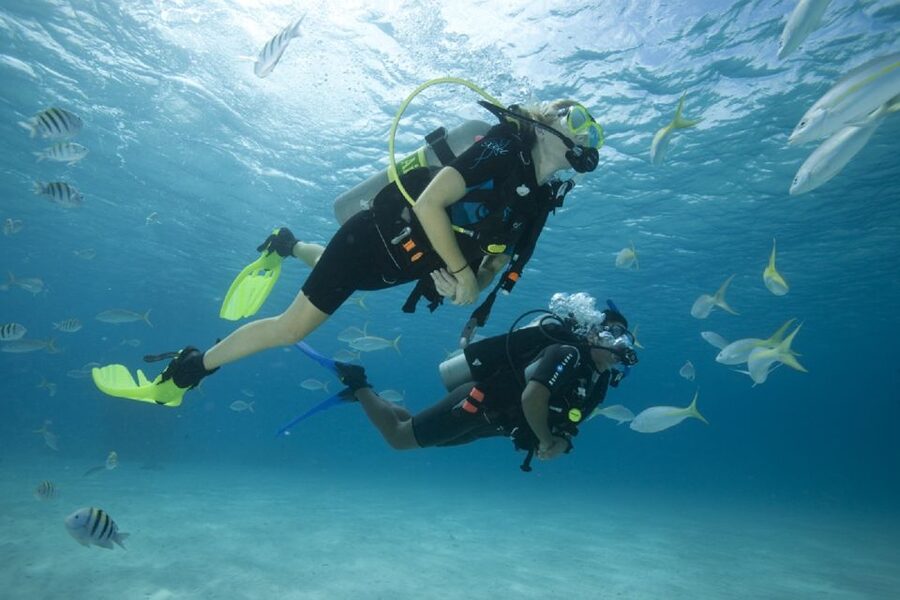
This is PADI Discover Scuba Diving, usually called Discover Scuba Diving or DSD. It is an introduction, not a qualification. You do not leave with a scuba certificate, but you do get a supervised first experience and a clear idea of whether you want to continue.
The advertised session lasts two hours. The wider activity information allows two to four hours for the full process, so I would not schedule a tight appointment immediately afterward. You need time for fitting equipment, listening to the safety talk, practicing skills, and moving from the harbour area to the open-water site.
You meet at Blue Water Diving in Puerto Escala harbour in Puerto Rico de Gran Canaria. Hotel pickup and return are not included, so plan your own way to the harbour. The meeting point is straightforward in principle, but you should allow enough time to find the centre, complete the health paperwork, and provide your height, weight, and shoe size.
The price is $106 per person. That is fair for a first-time session because the fee covers the tank, regulator, wetsuit, mask, fins, other required equipment, a PADI instructor, and insurance. You are not paying only for time in the water. You are also paying for instruction, gear fitting, and the close supervision that helps a nervous beginner stay calm.
More Scuba Diving for Beginners in Spain
- Scuba Diving Experience for Beginners in Gran Canaria
★ 5.0 · 561 reviews - Gran Canaria: Try Scuba Diving for Beginners
★ 4.9 · 403 reviews - Beginners Scuba Diving Experience in Gran Canaria
★ 5.0 · 254 reviews
Getting comfortable with the equipment
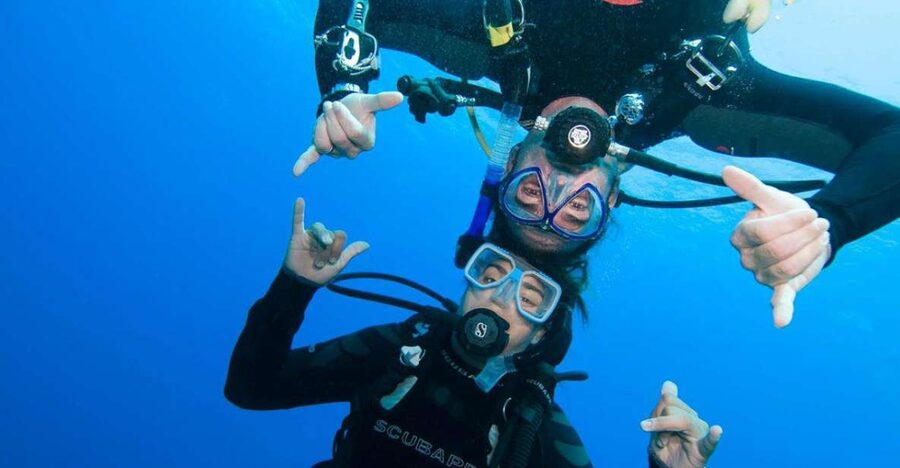
The session begins with a short theory and safety briefing. Your instructor explains how the equipment works, how to breathe through the regulator, how to communicate with hand signals, and what to do if something feels uncomfortable.
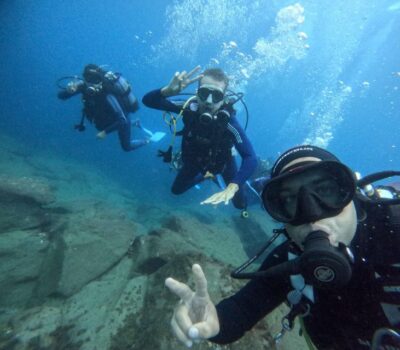
This part can seem basic, but it is where the experience succeeds or fails for a first-timer. Underwater, you cannot chat normally. You need to know that an up signal means you want to go up, that hand signals replace speech, and that your instructor is watching your comfort as well as your location.
You will be fitted with a mask, fins, wetsuit, regulator, tank, and related equipment. The centre requests your height, weight, and shoe size ahead of time, which helps prepare suitable gear. Bring a swimsuit and towel. A charged smartphone is also on the packing list if you want to carry it for photos or video, though the supplied information does not promise an underwater camera.
The instructors have a strong reputation for calm coaching. That matters because several first-time participants had trouble at the start with nerves or pressure equalizing. Patient assistance helped them settle, continue, and eventually move around comfortably underwater. If you feel tense, say so early. The format is designed for instruction, not for rushing you through a checklist.
The shallow-water practice comes first
Before the open-water portion, you practice in a confined, shallow area. This is where you learn what it feels like to breathe underwater and how to move without fighting the equipment.
You will work on simple skills such as breathing through the regulator, clearing the regulator if needed, clearing the mask, and equalizing pressure in your ears. Equalizing is especially important as you go down. If one ear does not clear, tell the instructor and stop your descent rather than forcing it.
This practice also gives you a chance to discover how your body reacts. Some people find the first few breaths strange. Others need time to trust that the equipment will keep working. That is normal for a first session, and the instructors are there to help you get comfortable before proceeding.
The experience is best suited to people who are reasonably comfortable in water. You do not need strong scuba skills, but you should be ready to follow instructions and remain calm enough to communicate. Medical restrictions may apply, and you will complete a short medical form. Pregnant women cannot take part.
Reaching the open water near Puerto Rico
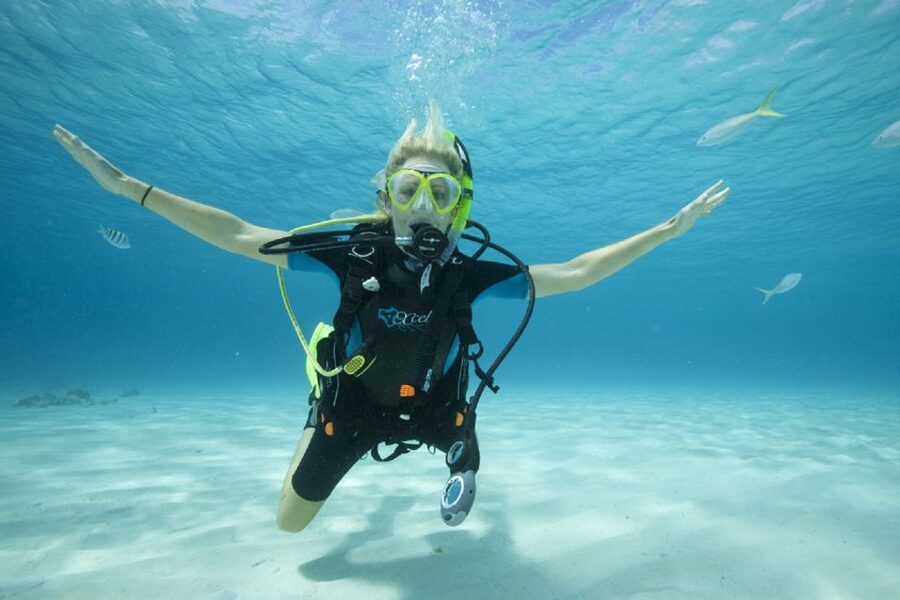
Once you have practiced the basics, you go out for a real open-water session. The maximum depth is 12 meters, or 40 feet, and you remain under close supervision.
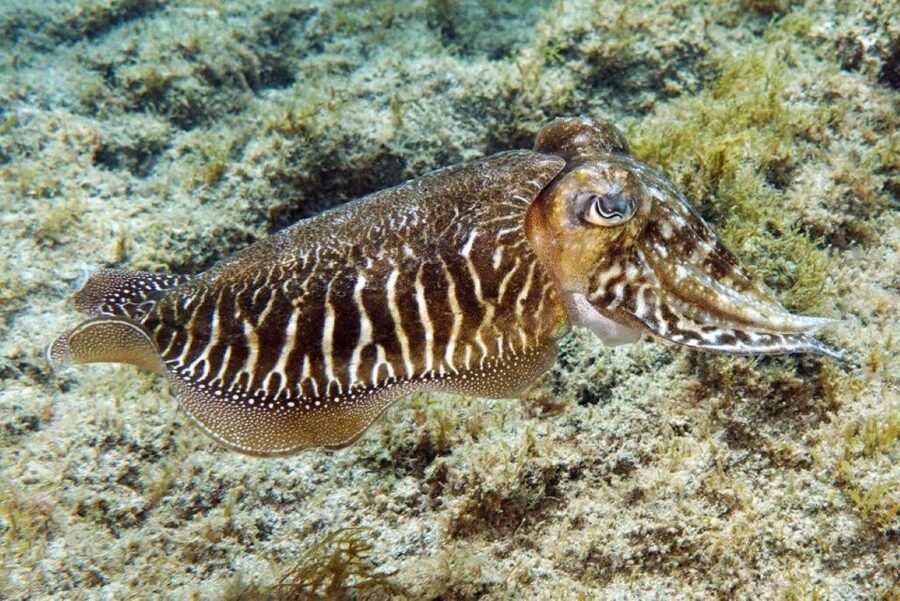
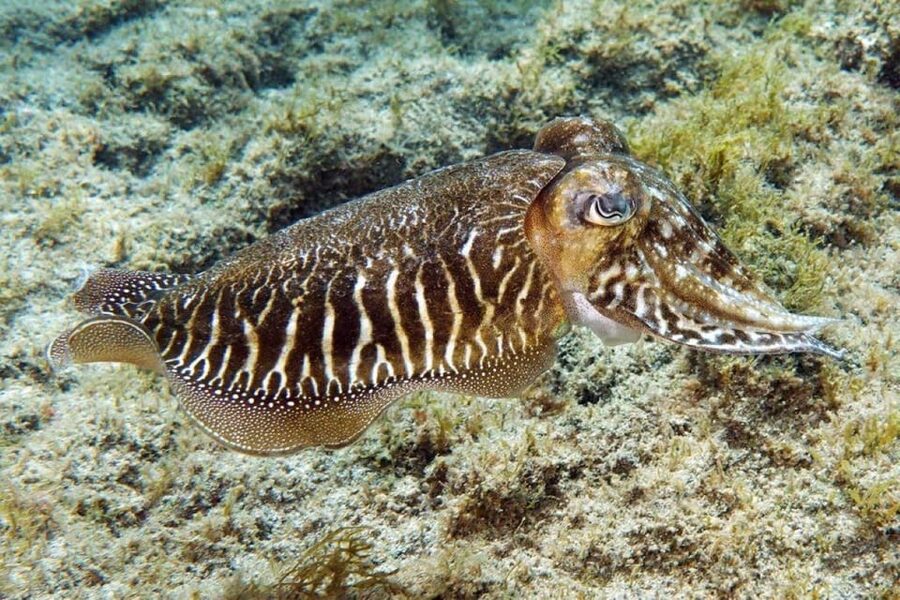
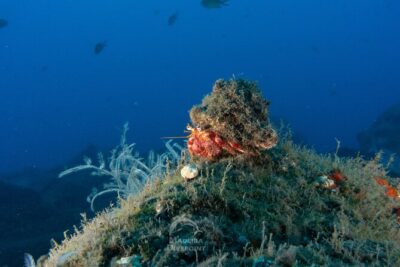
The appeal is simple: this is the point where the briefing becomes a real experience. You get the weightless sensation of moving underwater, use hand signals instead of speech, and see marine life around the Canary Islands. The exact creatures can vary, but past sessions included plenty of fish and at least one octopus.
Do not expect a long expedition or a remote reef safari. This is a first taste, and the instructor’s main job is to keep you safe and comfortable. The underwater time may feel shorter than you hope, especially after the equipment fitting and practice. That is the trade-off for a beginner session that does not demand a long course or prior training.
The best approach is to slow down and look carefully. New scuba participants often spend their first minutes thinking about breathing, buoyancy, and signals. Once those tasks feel more natural, you can pay attention to fish, rocks, and other sea life. Your instructor may point out things you would miss while concentrating on your gear.
More Scuba Diving for Beginners in Gran Canaria
- Gran Canaria: Discover Scuba Diving Beginner Program
★ 4.4 · 103 reviews - First-Time Scuba Diving in Honolulu + Free Videos
★ 5.0 · 3,123 reviews - Beginner Scuba Diving with Turtles and Videos, San Juan
★ 5.0 · 1,743 reviews - Intro Diving 2 Stops For Beginners with Pick-up and Lunch – Hurghada
★ 5.0 · 1,146 reviews
Why the small group size helps
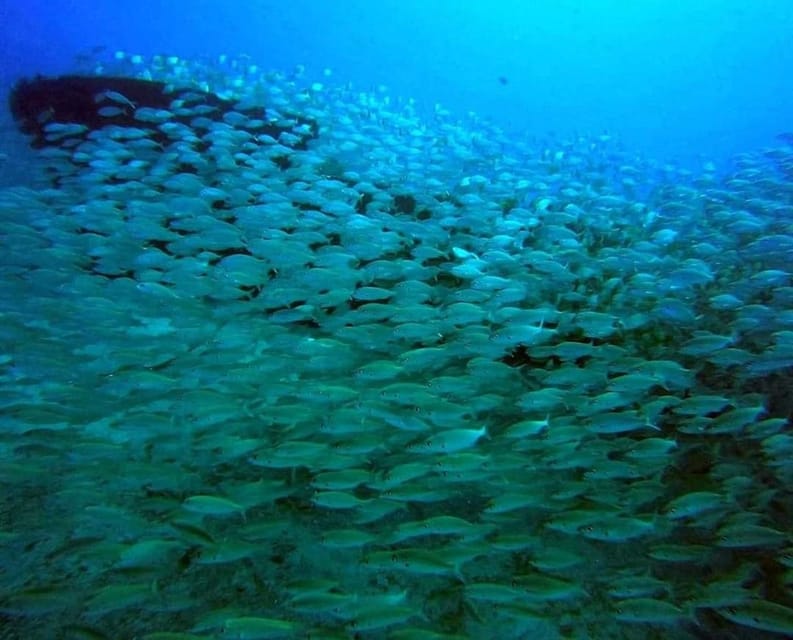
The maximum group size is eight people. That is not a private lesson, but it is small enough to make a real difference.
A beginner may need extra time to adjust a mask, clear a regulator, or settle after the first breath. With a very large group, those small delays can feel embarrassing or rushed. Here, the instructor can keep an eye on each participant and respond when someone needs help.
The information names English and Spanish as the available teaching languages. If you need either of those, the session should be easy to follow. If you have concerns about language support beyond English or Spanish, check before booking.
Past instructors associated with the activity include Kate, Harry, Jasmine, Eddy, and Daniel. Their strengths, as reflected in the detailed feedback, were patience, clear explanations, and close attention both in and out of the water. You should still treat the named staff as examples rather than a guarantee of who will lead your particular session.
What makes the marine life worthwhile
Gran Canaria gives this short session a useful sense of place. You are not simply learning in a swimming pool and stopping there. The lesson finishes with a genuine underwater visit in the Canary Islands.
You may see fish and other marine animals, and octopus sightings have occurred on the experience. The attraction is not only the list of creatures. It is the change in viewpoint. A familiar holiday coast becomes a place to watch from below, with movement, sound, and distance all altered by the water.
Keep expectations sensible. Marine life is never guaranteed, and the information does not promise coral reefs, a particular species, or a specific number of animals. You should book this for the chance to experience the sea in a new way, not for one guaranteed underwater photograph.
Is $106 good value?
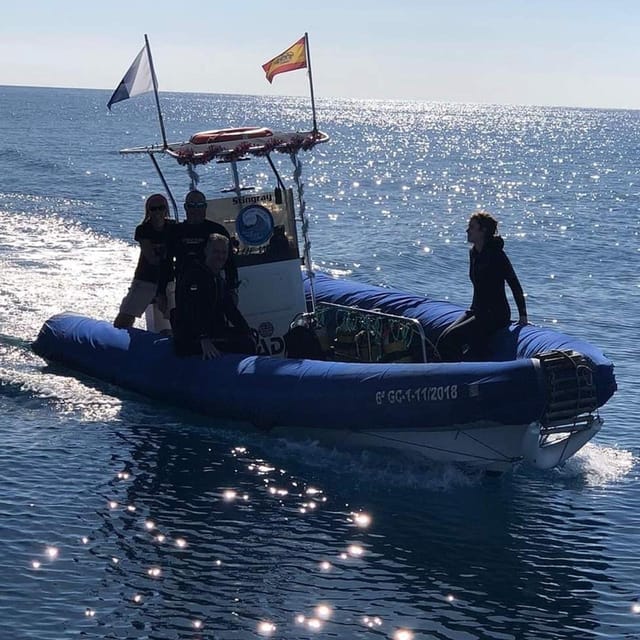
At $106, this is good value if you want a supported first attempt and do not want to commit to a full course. Equipment rental alone would otherwise complicate a short holiday activity, while the instructor and insurance add important practical value.
The price also removes several decisions. You do not need to choose a mask, rent a tank separately, or arrange your own professional supervision. The centre supplies the gear and organizes the progression from briefing to shallow practice to open water.
The value is weaker if you already hold a scuba qualification or have extensive experience. You would probably want a longer, more specialized session rather than a basic introduction. It is also not the best choice if your schedule is packed, since the actual process may take longer than the stated two-hour duration.
Free cancellation up to 24 hours before the start gives you some flexibility, and you can reserve now and pay later. Those terms help if your Gran Canaria plans are still shifting. They do not remove the need to check the medical requirements before reserving.
Who should book this experience?
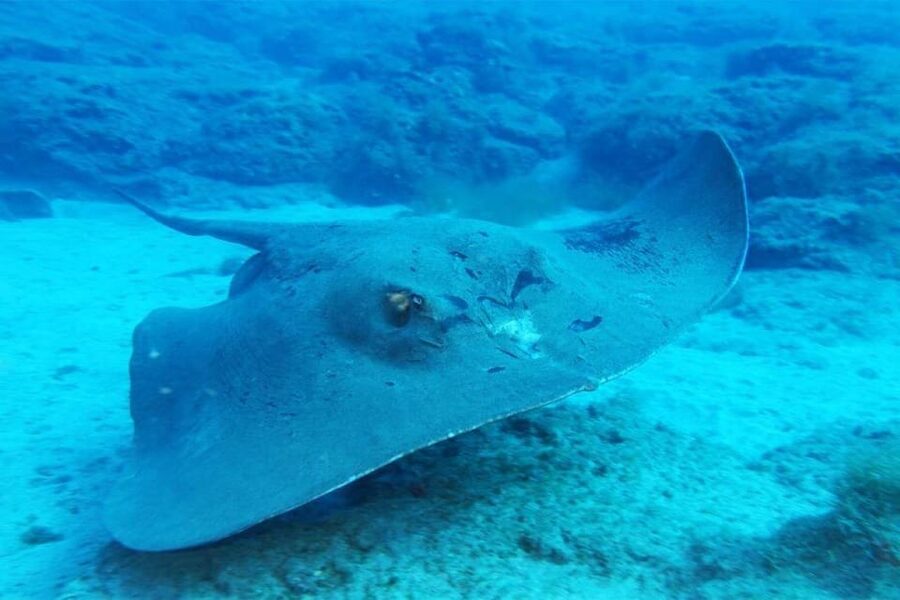
I would choose this for a first-time adult, a family with a child aged 10 or older, or anyone curious about scuba but unwilling to sign up for a multiday course. It also works well as a holiday activity for someone who wants one memorable morning or afternoon rather than another land-based excursion.
The session can suit nervous beginners, provided they are reasonably comfortable in water and willing to speak up. The calm instruction is one of its strongest points. A participant who struggled with ear pressure still received help and eventually managed to move around and record underwater video comfortably.
Children require sensible judgment. The minimum age is 10, and a parent or guardian should consider the child’s comfort in water, ability to follow instructions, and response to wearing unfamiliar equipment. A 10-year-old participant previously enjoyed the experience and wanted to return, but every child will react differently.
You should skip it if you are pregnant, cannot meet the medical requirements, or do not feel able to stay reasonably calm in the water. You should also avoid alcohol before the session. Afterward, do not fly for at least 18 hours, an important detail if you are leaving Gran Canaria soon.
Practical preparation for the harbour

Bring swimwear, a towel, and a charged smartphone. Sunscreen is also sensible for time around the harbour, though you should follow the instructor’s directions about using it near equipment and entering the water.
Do not drink alcohol before the activity. Complete the medical form carefully and ask about any health concern before booking rather than waiting until the meeting point.
You will need to provide your height, weight, and shoe size. These details help the team prepare your equipment, so have them ready when you reserve or when the centre requests them.
Because hotel pickup is not included, you need to reach Puerto Escala harbour in Puerto Rico de Gran Canaria yourself. The meeting point is Blue Water Diving. Check your route and allow a little spare time, particularly if you need to locate the centre or complete paperwork before the briefing begins.
After the session, keep the no-flying rule in mind. The stated advice is to wait at least 18 hours after scuba activity before flying. That makes this a better choice earlier in your holiday than on the final morning before an airport transfer.
Can it lead to a full qualification?
Yes. Discover Scuba Diving can count toward the PADI Open Water Diver certification, but you should ask your instructor exactly how the credit applies and what further training is required.
That possible next step is useful even if you are unsure about becoming a regular scuba participant. The first session lets you test the central questions: Do you like breathing through a regulator? Can you equalize comfortably? Do you enjoy moving underwater enough to study the skills in greater detail?
If the answer is yes, the session gives you a natural starting point. If the answer is no, you have learned that without paying for a full certification course. That low-commitment option is one of the activity’s clearest advantages.
Should you book it?
Book this Gran Canaria experience if you want a genuine first look at scuba with full equipment, insurance, and a certified PADI instructor. The patient teaching, small group size, and chance to see fish and possibly an octopus make it a strong choice for beginners.
I would not book it for guaranteed wildlife, a long underwater expedition, or a qualification in two hours. For those goals, you need a longer course or a more specialized trip. But for a first breath, a careful shallow-water lesson, and a supervised open-water experience from Puerto Rico, $106 is a sensible holiday spend.
FAQ
Where does the scuba session meet?
You meet at Blue Water Diving in Puerto Escala harbour in Puerto Rico de Gran Canaria.
How long does the activity last?
The advertised duration is two hours. The wider activity details allow two to four hours for the full experience, including preparation and training.
Do I need previous scuba experience?
No. This is a PADI Discover Scuba Diving experience for people with no previous scuba background.
What is the maximum depth?
The supervised open-water session can reach up to 12 meters, or 40 feet.
What equipment is included?
The price includes the mask, fins, wetsuit, regulator, tank, and other required scuba equipment.
Is an instructor included?
Yes. A certified PADI instructor provides the briefing, shallow-water training, and close supervision during the open-water session.
What languages are available?
Instruction is available in English and Spanish.
What should I bring?
Bring swimwear, a towel, and a charged smartphone. You should also avoid alcohol before the activity.
Can children take part?
Participants must be at least 10 years old. Medical restrictions may apply, and each participant must complete a short medical form.
Can I fly after the session?
You should not fly within 18 hours after scuba activity. Keep this in mind when planning your departure from Gran Canaria.
Newest dives added in Gran Canaria
- PADI Rescue Diver Course in Gran Canaria★ 5.0 · 9 reviews
- PADI Advanced Diving Course in Gran Canaria★ 5.0 · 25 reviews
- 6 Diving Sites Scuba Diving Package in Gran Canaria★ 5.0 · 6 reviews
- Open Water Diver Scuba Diving Course in Puerto de Mogan★ 5.0 · 27 reviews
- PADI Open Water Course in Gran Canaria★ 5.0 · 79 reviews
- Discover Scuba Diving in Puerto de Mogan★ 4.5 · 87 reviews
- Discover Scuba diving in Gran Canaria with Hotel Pick-up★ 5.0 · 69 reviews
- Scuba Diving Experience at Arguineguin and Puerto Rico★ 5.0 · 9 reviews
Scuba Diving for Beginners, compared.
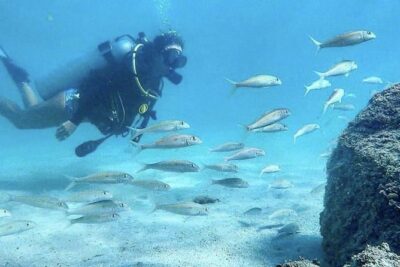
First-Time Scuba Diving in Honolulu + Free Videos
Read our review →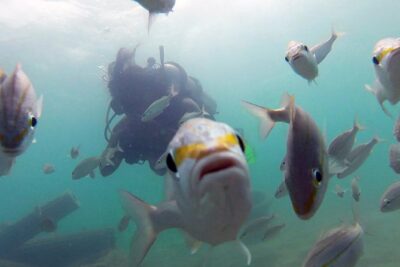
Beginner Scuba Diving with Turtles and Videos, San Juan
Read our review →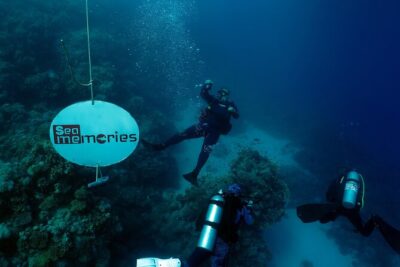
Intro Diving 2 Stops For Beginners with Pick-up and Lunch – Hurghada
Read our review →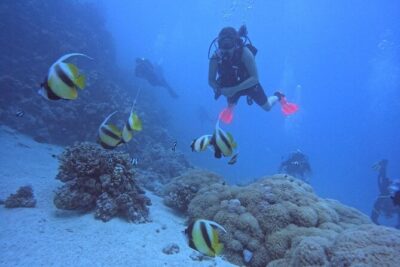
Intro Diving Beginner and Discover Red Sea Underwater
Read our review →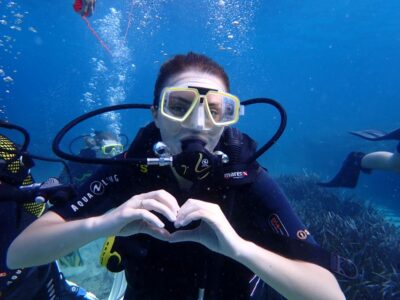
Beginner’s Dive at a Spot with Turtle Sightings
Read our review →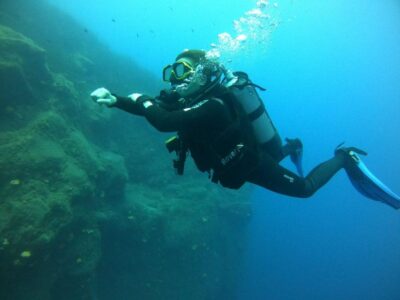
Scuba Diving Experience in Caldera for Beginners
Read our review →Browse the lists this dive appears in