
Reviewed · SCUBA DIVING
Okinawa: Naha: 1 day Kerama Islands diving‣ license required
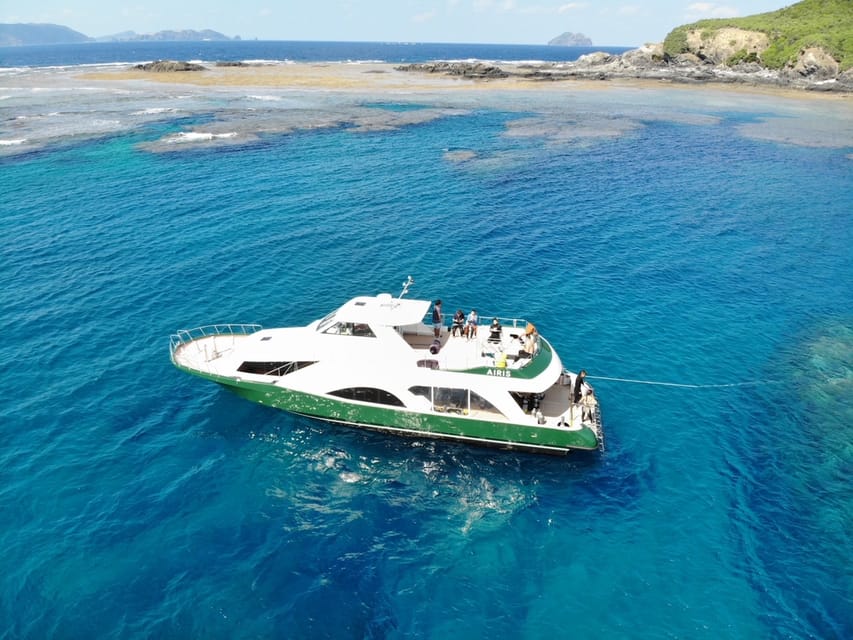
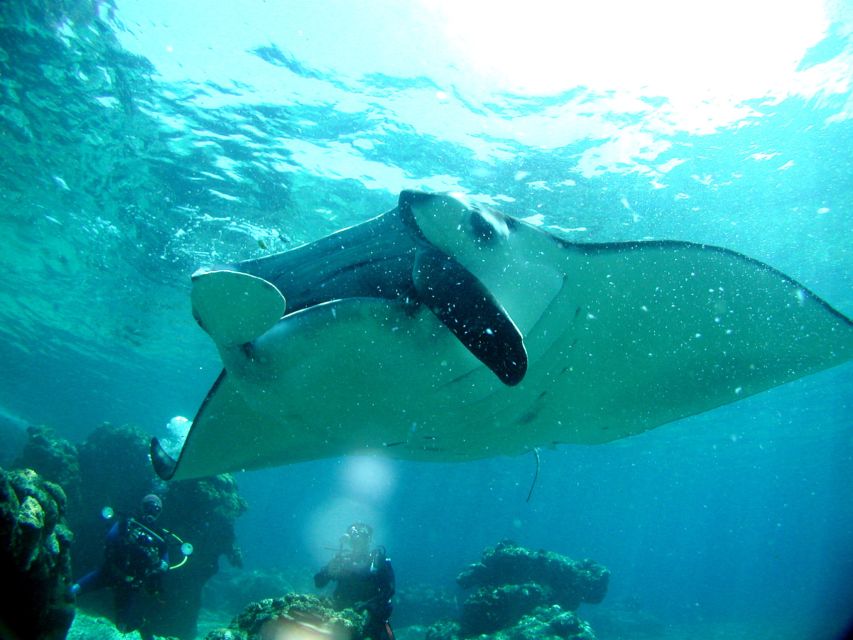
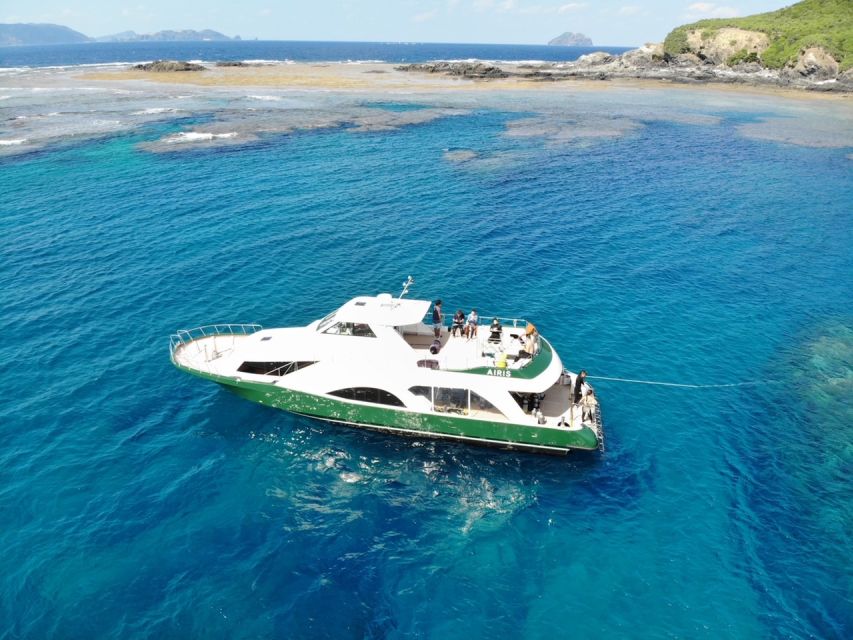
The main attraction here is simple: you leave Naha by high-speed boat and spend most of the day among the Kerama Islands, one of Okinawa’s best-known areas for clear water, coral, and sea life. Three underwater sites are planned around Tokashiki, Zamami, and Aka, with the final choices made according to the day’s sea conditions and your level.
I like the hotel pickup in Naha, which removes the usual early-morning port scramble, and I like the practical winter setup: hooded vest, thick wetsuit, boat coat, heated cabin, and hot Okinawa soba. The main caution is consistency. Some instructors communicate well in English and take a patient approach, while others may offer only limited English, and equipment condition has not been uniform.
Kerama Islands access, three sites, and seasonal extras
- High-speed boat ride: See several islands while crossing from Naha to Kerama National Park.
- Up to three underwater sites: Guides choose the locations based on your ability, sea conditions, and the day’s best options.
- Certified participants only: You must bring proof of certification and your dive log.
- Whale watching: Included on the Kerama route from January 12 or January 15 through March 31, depending on the operating information provided.
- Winter comfort measures: A hooded vest, 5 mm one-piece suit, boat coat, heated cabin, and hot food help take the chill off.
- Seasonal treats: Shaved ice is offered in August and September, while January 1 includes traditional mochi pounding and all-you-can-eat mochi for those ordering lunch.
Leaving Naha early for Kerama National Park
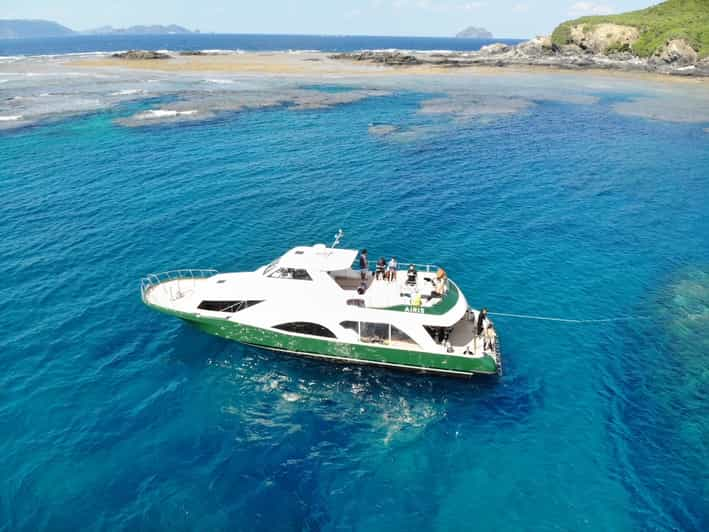
Your day begins with a pickup in Naha or a local meeting point if you are staying outside the city. The boat leaves at 8:00 a.m., so this is not an outing for a leisurely hotel breakfast. The operator sends the pickup time by email the day before, and you should wait outside your hotel if transport is confirmed.
Pickup is limited by the number of seats. Write your hotel name and address clearly when booking, even if you assume the operator can find it. If the van is full, you may need to meet at the port instead. Drivers coming by car can use the customer parking area, while port parking costs 500 yen per day.
The listed transfer is about one hour by van, followed by the boat crossing. You get a useful look at the islands from the water, but the ride can be rough if the sea is active. If you are prone to seasickness, take your usual medicine before departure rather than waiting until you feel unwell.
The boat ride is part of the appeal, not just a transfer. You cruise past other islands on the way to Kerama National Park, and that open-water crossing gives the day a proper island outing feel. It also means conditions matter. The destination can change suddenly, or the trip can be canceled, if the weather and sea are unsafe.
More one-day trips in Japan
- Cairns: Premium Snorkelling and Diving Reef Day Trip
★ 4.7 · 1,528 reviews - Ko Tao: Try Scuba Diving 1-Day Experience
★ 4.8 · 452 reviews - Hurghada Diving Adventure one Day with two Dives Boat Trip
★ 5.0 · 238 reviews
What three underwater sites really mean
This is a certified scuba trip, not a lesson for first-time participants. You need a C-card, and bringing your logbook helps the staff understand your recent experience. The guides aim to select three locations around Tokashiki, Zamami, and Aka, although the exact sites depend on weather, current, visibility, and the ability of the group.
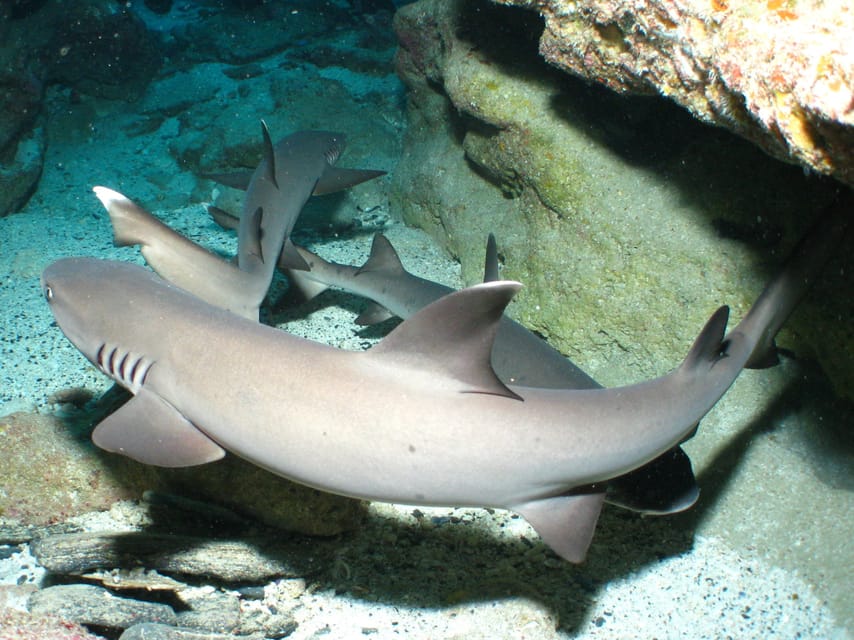
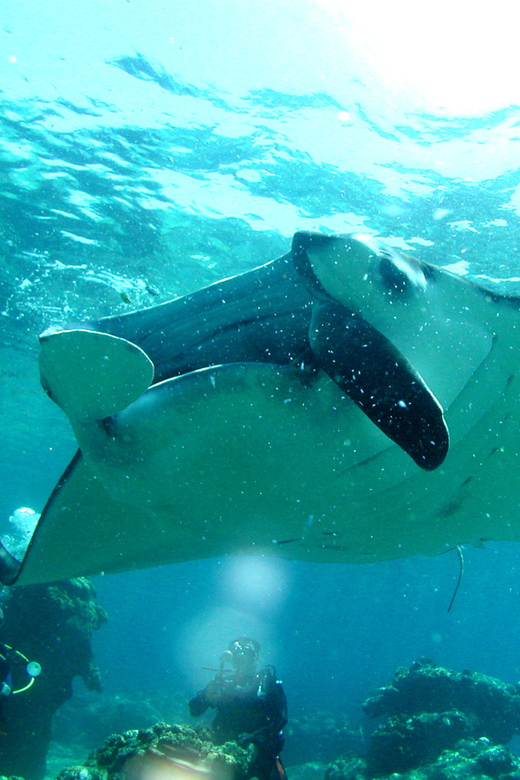
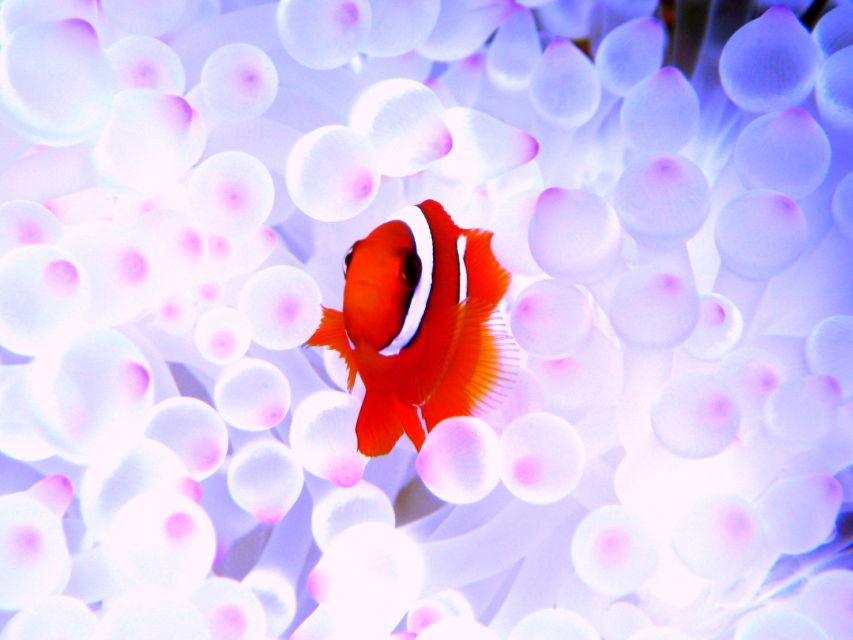
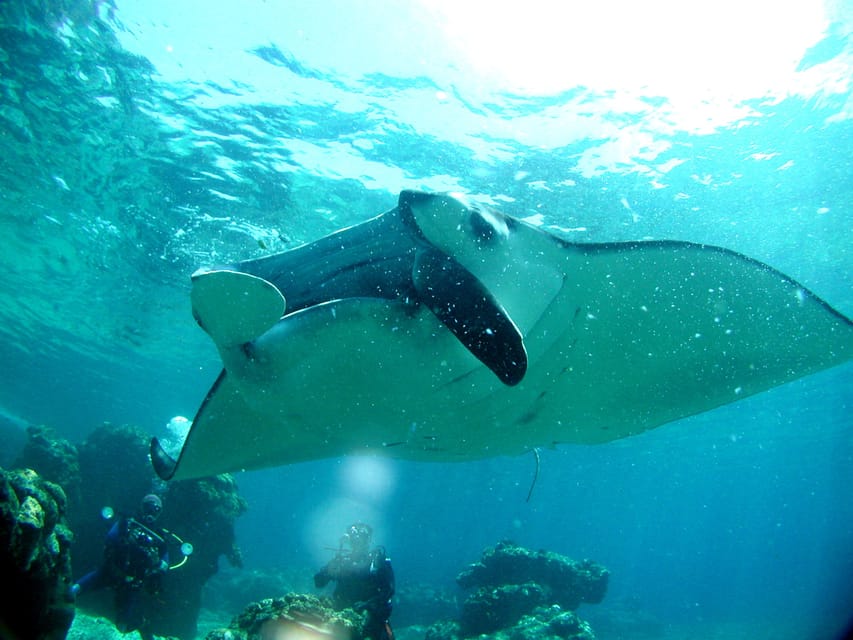
The operator says it can respond to different interests, including large animals, small sea life, and underwater terrain. That flexibility is useful because Kerama is not one single type of site. You might find coral and fish at one location, open sand at another, and a more structured bottom at a third. The day’s best site on paper may not be safe or comfortable on the day itself.
Your level matters. The staff specifically welcomes certified people who are new to the area, beginners with certification, and those returning after time away from scuba. That does not mean the trip is a substitute for a refresher course. If you have not been in the water for a long time, be honest when booking and during the briefing.
The schedule can feel brisk. The boat may include both scuba participants and snorkelers, and staff need to keep the whole group moving. One useful detail is that scuba groups may enter the water first, leaving snorkelers to follow. That can help protect your bottom time, though the large shared boat may not suit you if you want a quiet, small-group outing.
Underwater communication is rarely a problem once everyone knows the hand signals. Above the surface, it can be different. English support is available, but the level depends on the instructor. Takashi and Koyama have been singled out for patient, friendly instruction, while other sessions have had communication difficulties. Ask for a clear safety briefing, confirm the plan, and do not hesitate to ask for a repeat.
Gear, briefings, and safety on the boat
The price includes tanks, weights, and full rental equipment. You also receive a towel, tea, access to a changing room, a hot-water shower, and a toilet. Those facilities matter after several hours on the water, especially when the boat ride back is cool or windy.
The quality of rental gear deserves your attention. Most of the day’s appeal depends on working equipment, and there have been serious complaints about worn booties and a faulty BCD inflator. Check your regulator, BCD, mask, fins, and wetsuit before leaving the port. Test the inflator and dump valves. If anything feels wrong, report it immediately and ask for a replacement before entering the water.
The briefing should cover entry and exit procedures, hand signals, depth or time limits, buddy arrangements, and what to do if you have a problem. English may be available, but do not rely on a fast group explanation if you are uncertain. Ask the instructor to show you rather than simply tell you.
There is also an important environmental rule: do not touch coral or marine life. Keep your fins clear of the bottom and control your buoyancy. This is not only good practice in a national park. It protects the very places you have come to see.
You are not allowed to fish, smoke in the vehicle, bring alcohol or drugs, or carry oversized luggage. Pets are not allowed, although assistance dogs are permitted. Unaccompanied minors cannot join, and parental consent is required for minors who do participate.
Winter comfort from January through March
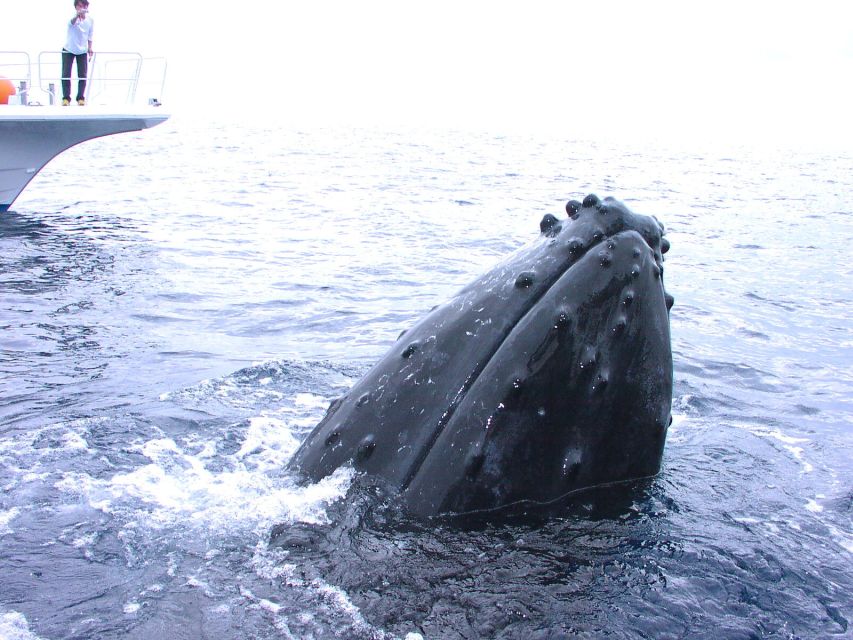
Okinawa’s winter air can feel mild, but a wet wetsuit and wind on a moving boat are another matter. The operator uses a 3 mm hooded vest under a 5 mm one-piece wetsuit, plus a boat coat that is provided free. The cabin and engine heaters are used to keep the inside of the boat around 25 C.
Lunch on cold days can include hot Okinawa soba and oden. The standard information also asks you to bring a packed lunch, while lunch can be ordered for an additional fee. Confirm the lunch arrangement before the morning of your trip so you do not arrive expecting a meal that is not included.
The Kerama water temperature is said to stay above 22 C, which can make the water feel more comfortable than the air. Still, comfort varies from person to person. Tell staff at booking if you feel cold easily, since the special cold-weather items are limited.
From January 12 or January 15 through March 31, whale watching is included on the Kerama route. The chance of seeing whales is described as high, but no sighting is guaranteed. Sea conditions may prevent a good view, and the operator may change the destination for safety. Treat whale watching as a welcome extra, not the reason to book the entire day.
On January 1, the operator holds a traditional mochi-pounding event with all-you-can-eat mochi for people who order lunch. This is a very specific seasonal touch and could make New Year’s Day memorable, though you will need to confirm the exact meal arrangement when reserving.
More Scuba Diving in Japan
- Naha, Okinawa: Kerama Islands Full-Day Intro-Diving Trip
★ 4.6 · 203 reviews - Blue Cave Area Experience Diving!Free feeding & photo images Chinese guide available!1 group with a dedicated instructor
★ 4.5 · 89 reviews - From Naha Scuba Diving Trip in Kerama(for certified divers)
★ 5.0 · 46 reviews - EDOCCO Tea House–A Quick Dive into Japanese Traditional Culture
★ 5.0 · 34 reviews
Summer treats and useful extras
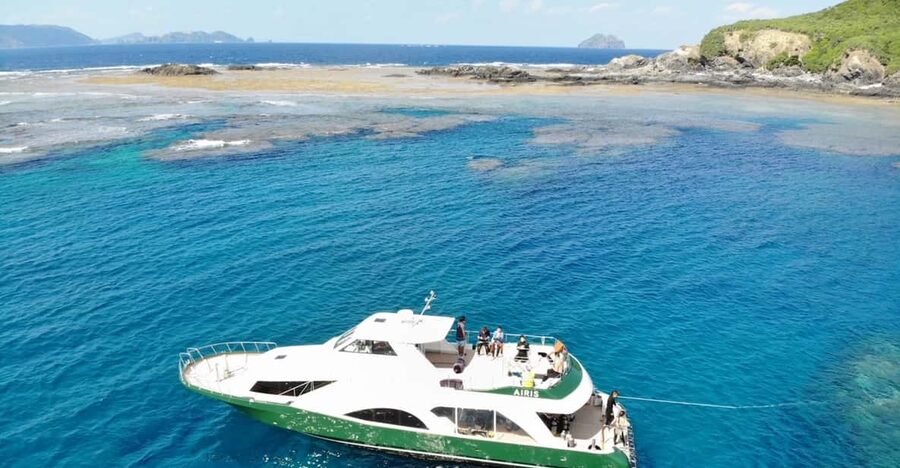
August and September bring shaved ice after lunch. It is a small detail, but it fits the climate well and gives you something refreshing after time in a wetsuit. Free swim rings are also available with advance reservation, a useful option if someone in your party wants extra support in the water.
An onboard rental camera is available by reservation. A GoPro costs 3,000 yen and includes an SD card. A rental camera SD card costs 2,000 yen, though you can bring your own card. Reserve camera equipment ahead of time rather than assuming there will be a spare on the morning.
The boat coat is included. Towels, tea, changing facilities, hot water, and a shower are included too. Sunscreen, sunglasses, swimwear, spare clothes, medication, certification, and your logbook are your responsibility.
Special arrangements are possible for birthdays and commemorative scuba outings. Put your request in the booking comments. The operator says it will try to meet reasonable requests, but the schedule and sea conditions still control the day.
Price and value at $129
At $129 per person, this trip offers solid value if you need full equipment and want three boat-accessed sites in one day. Tanks, weights, a full gear package, towel, tea, changing space, hot shower, and port transport are included. That saves you from arranging separate equipment rental and ferry travel.
The value is less clear if you already own all your gear or want a small private group. The boat can include many people, including snorkelers, and the pace may feel organized around the whole group rather than your personal schedule. Lunch costs extra, as do camera options, and port parking costs 500 yen per day if you drive.
Free cancellation up to 24 hours before departure and reserve-now, pay-later booking reduce the financial risk. The bigger risk is not the price but the variable experience: site selection, sea conditions, group size, and instructor communication can shape the day.
I would view the price as fair for a full-day Kerama outing with equipment and transport, but I would not book it solely because three sites are advertised. Ask about the expected group size, the current rental gear, the instructor assigned to English-speaking participants, and the lunch charge before paying.
Who will enjoy this trip most
This is best for a certified scuba participant who wants a convenient Kerama day from Naha and does not mind sharing a boat. It suits solo visitors particularly well because the operator accepts one-person bookings, and the staff can match requests to experience level.
It also works for someone returning to scuba after a break, provided you are comfortable explaining your limits and asking for help. Patient instruction is available, but English ability can vary, so a confident communicator will have an easier time.
You should choose another option if you are uncertified, pregnant, under 10, over 95, or dealing with a condition listed as unsuitable, including heart, respiratory, kidney, or blood-pressure problems, epilepsy, diabetes, vertigo, a cold, recent surgery, or other pre-existing medical issues. Wheelchair users and people with mobility or visual impairments are also not considered suitable for this activity.
The operator also says no one with a cold should participate. That is sensible: breathing equipment, physical exertion, and pressure changes are a poor mix when you are congested.
Should you book the Kerama day trip?
Book it if you want a practical, all-in-one scuba day from Naha, value included equipment and transport, and are happy to let the crew choose sites according to conditions. The whale season, winter heating measures, January mochi event, and summer shaved ice give the trip extra character.
Before booking, contact the operator with four direct questions: How many people are expected on the boat? Which instructor will handle English support? Can you inspect or change rental gear if something fails? Is lunch available, and at what price?
If the answers are clear, this can be a good-value way to reach Kerama without arranging every part yourself. If you are demanding about equipment age, need detailed English briefings, or want a quiet private boat, pay more for a smaller specialist operation.
FAQ
Do I need a scuba certification?
Yes. This activity is only for people who hold a C-card. Bring your certification and dive log.
How long does the experience last?
The listed duration is seven hours. The plan includes transport from Naha, about six hours in Kerama National Park, and the return transfer.
What time does the boat leave?
The boat departs at 8:00 a.m. The exact pickup time is sent by email the day before, so check your messages and wait outside your hotel if pickup is confirmed.
Is hotel pickup included?
Pickup is available within Naha city, subject to seat capacity. If the vehicle is full, or if you stay outside Naha, you may need to meet at the port. Provide your hotel name and address when booking.
What equipment is included?
Full rental equipment, tanks, and weights are included, along with a towel, tea, changing room, hot-water shower, toilet, and boat coat. A rental camera is available by reservation.
Is lunch included?
Lunch is not included in the listed price. You can order lunch, and the cold-weather meal may include hot Okinawa soba and oden. Bring a packed lunch unless you have confirmed a meal order.
When is whale watching available?
Whale watching is included on the Kerama route during the seasonal period from January through March, with the supplied information giving January 12 or January 15 as the start date and March 31 as the end date. Sightings depend on weather and sea conditions.
What happens if the weather is bad?
The destination may change, or the activity may be canceled, because of weather and sea conditions. You can cancel up to 24 hours in advance for a full refund under the stated cancellation terms.
Newest dives added in Japan
- Shared Scuba Diving Trip in Kushimoto★ 5.0 · 2 reviews
- Tokyo Ikebukuro Morning Tour Dive into Japanese Culture★ 5.0 · 5 reviews
- EDOCCO Tea House–A Quick Dive into Japanese Traditional Culture★ 5.0 · 34 reviews
- Tokyo Ikebukuro Evening Tour Dive into Japanese culture★ 5.0 · 15 reviews
- Deep Dive into the World of Daruma Dolls★ 5.0 · 4 reviews
- Boat entry diving at the Blue Cave in Onna Village, Okinawa!★ 5.0 · 4 reviews
- Deep Dive: Osaka Food Markets from Local to Luxurious!★ 5.0 · 31 reviews
- Blue Cave Introductory Dive–Private Guide, Boat Tour&Free Photos★ 5.0 · 34 reviews
Scuba Diving, compared.
Great Barrier Reef Snorkeling and Diving Cruise from Cairns
Read our review →
First-Time Scuba Diving in Honolulu + Free Videos
Read our review →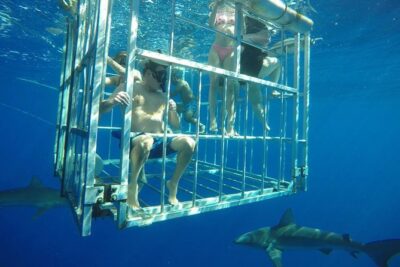
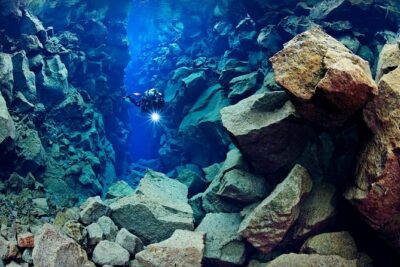
Diving Between Tectonic Plates – Meet on Location
Read our review →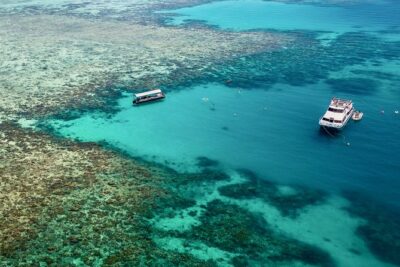
Ocean Freedom Great Barrier Reef Luxury Snorkel and Dive Cruise
Read our review →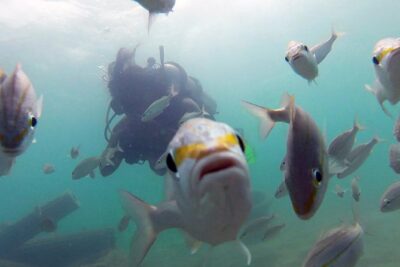
Beginner Scuba Diving with Turtles and Videos, San Juan
Read our review →
Your First Scuba Diving Experience in Turtle Area
Read our review →
Browse the lists this dive appears in