
Reviewed · PADI COURSES & CERTIFICATION
PADI Advanced Open Water Diver Course
The most interesting part of this PADI Advanced Open Water course is the choice it gives you underwater. You complete five adventure sessions around Unawatuna, from navigation and buoyancy work to wreck exploration, while an instructor guides you through each one. The local sites range from shallow reefs to the 30-meter Rangoon wreck.
I like the small maximum group of eight and the clear structure: two required subjects, then three specialties that fit your interests. I also like the calm, patient teaching style associated with instructors such as Tarush, Supun, and Leon. The main catch is the extra PADI cost: the course price is $225.51, but the manual and certification fee add 70 euros.
Key points at a glance
- Five adventure sessions: Complete Deep and Underwater Navigation, then select three additional specialties.
- Three days of training: Expect theory for each subject plus two or three underwater sessions per day.
- Sixteen local sites: Options include reefs, rocky areas, wrecks, and night outings, at depths from 6 to 30 meters.
- Three notable wrecks: The Rangoon reaches 30 meters, SS Oreste sits at 22 meters, and Galle Ship Wreck lies at 18 meters.
- Equipment and refreshments included: Scuba equipment, bottled water, snacks, coffee, and tea are provided.
- Important extra fee: PADI teaching materials and certification cost 70 euros, unless you arrange the PADI eLearning option separately.
What the three-day course actually involves
This is not simply a series of fun underwater outings. It is a practical step beyond the PADI Open Water qualification, designed to give you more experience in different conditions while keeping you under direct instructor supervision.
The course usually takes two to three days. Each adventure session begins with some theory, generally without an exam. Allow around half a day for the academic side of the course, then expect two or three underwater sessions each day, depending on the schedule and conditions.
You must complete Deep and Underwater Navigation. These subjects matter because they build the two skills that make later underwater time safer and more relaxed. The deep session introduces you to planning and managing a deeper descent, while navigation helps you use a compass and natural references rather than simply following another person.
For your other three sessions, you can choose from subjects such as wreck exploration, boat procedures, Peak Performance Buoyancy, and fish identification. The exact selection should reflect what you want to improve. If your buoyancy needs work, choose the buoyancy session. If you are curious about local maritime sites, the wreck option makes more sense.
Registration begins at 8:30 am for a morning start. Afternoon registration is at 1:30 pm. The course returns to the same center at the end of each day, which keeps the routine simple.
More PADI Courses in Sri Lanka
- PADI Scuba Diver Course
★ 5.0 · 30 reviews - PADI Scuba Diver Course
★ 5.0 · 11 reviews - PADI Rescue Diver
★ 5.0 · 2 reviews
Choosing between reefs, rocks, and wrecks
Unawatuna offers around 16 underwater sites, with depths from 6 to 30 meters. That variety is useful for an advanced course because you are not locked into one kind of setting.
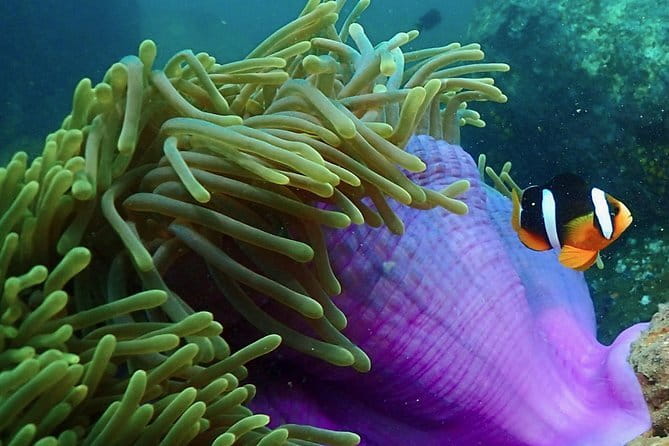
The shallower reef locations reach about 18 meters. You might find hard and soft corals, Indian Ocean reef fish, nudibranchs, macro subjects, and stingrays over sandy bottoms. Coral is unfortunately described as limited at many of these sites, so you should not expect every reef to look like a fully developed tropical coral garden.
The rocky locations around the deeper Unawatuna sites offer another kind of scenery. Valleys and uneven rock formations give you something to follow while you practice control and awareness. These sites may appeal to you if you prefer natural structure over a sandy reef.
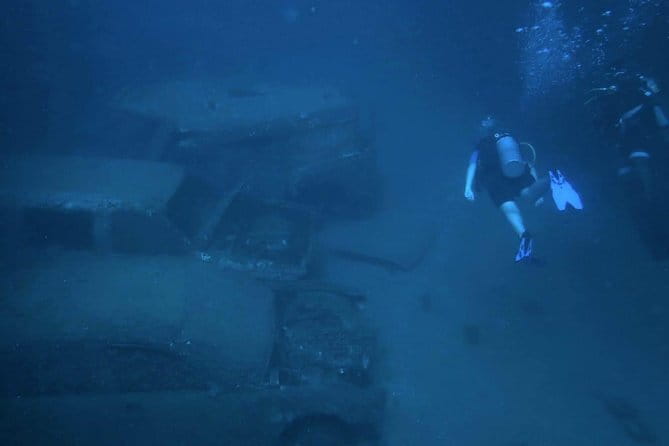
The wreck areas near Galle harbor are the most distinctive option. The Rangoon lies at 30 meters, the SS Oreste at 22 meters, and the Galle Ship Wreck at 18 meters. The two deeper wrecks support soft corals and large numbers of fish, including hundreds or even thousands of sweetlips.
Depth matters here. The Rangoon is not a casual choice for someone who has only recently completed Open Water training. Your instructor will determine what is suitable, and the required advanced qualification work is meant to prepare you for more demanding conditions. Still, you should be honest about your comfort level before choosing a wreck-focused schedule.
Why the required subjects are worth your time
Some course subjects sound more exciting than others. Wreck exploration has obvious appeal, while navigation may sound like classroom work. In practice, the required sessions are often the most useful parts of the course.
Underwater Navigation teaches you to keep track of direction, distance, and position. That skill reduces the chance of becoming separated from your group or losing your bearings at a site. It also helps you make better use of your air supply because you can plan movement instead of wandering.
The Deep session gives you a controlled setting for learning how depth affects your planning and behavior underwater. This is not just about reaching a larger number on your gauge. It is about staying calm, following the plan, and understanding why deeper outings require more care.
You do not face a formal exam for each adventure session, but you still need to pay attention. The instructor is checking your practical ability, not handing out a souvenir certificate for attendance.
The instructors and teaching style
The center has used several instructors for this course, including Tarush, Supun, and Leon. The strongest pattern in the available feedback is not showy instruction. It is patience, safety awareness, and individual attention.
Leon was singled out for taking time to explain procedures, treating safety seriously, and remaining patient. Supun was praised for a calm approach and a good sense of fun. Tarush received particularly strong approval for both the pre-course coordination and the actual instruction.
That kind of teaching matters during an advanced qualification. You are learning new tasks while managing breathing, buoyancy, equipment, depth, and communication. A rushed instructor can make the course feel like a test. A patient instructor gives you time to understand what went wrong and try again.
One useful point is the reported flexibility around personal preferences. You should still confirm your preferred specialties before booking, since the available choices may depend on weather, site conditions, and the center’s schedule.
More Scuba Diving in Sri Lanka
- Fun Dives For Certified Divers
★ 5.0 · 44 reviews - Fun Dives For Certified Divers
★ 5.0 · 30 reviews - Discover SCUBA Diving in Beautiful Unawatuna Bay
★ 5.0 · 30 reviews - Fun Dives For Certified Divers
★ 5.0 · 22 reviews
Equipment, group size, and daily comfort
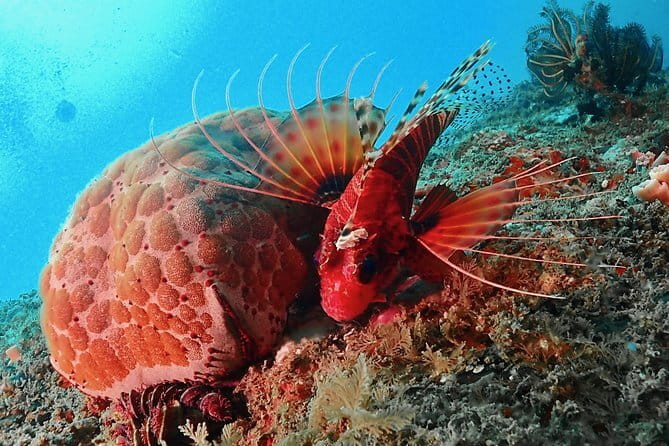
Scuba equipment is included, so you do not need to bring a complete personal kit. Bottled water, snacks, coffee, and tea are also provided. Lunch is not included, so plan to arrange your own midday meal.
The maximum group size is eight people. That is not a private course, but it is small enough to keep the group manageable. Your actual experience will depend on the number of people booked and the instructor assigned. If you want one-to-one attention, ask about the group arrangement before you arrive.
The center is at Divinguru Unawatuna, PADI 5 Star IDC Dive Resort, at 294 Matara Road in Unawatuna. The activity begins and ends there. Pickup is offered, and the location is near public transportation, giving you two practical ways to reach the center.
You need a moderate level of physical fitness. You must already be a certified Open Water Diver, and the minimum certification age is 12. Those are firm entry requirements, not suggestions. Bring proof of your qualification if asked, and tell the center about any concerns before the first session.
Is $225.51 a fair price?
At $225.51 per person, the course is reasonably priced for three days of instruction, five adventure sessions, equipment use, and basic refreshments. The value is strongest if you need the qualification and want to try several specialties without arranging each one separately.
The advertised price does not include the 70-euro PADI fee for the Advanced Open Water manual and certification. That extra amount changes the true cost, so include it when comparing providers. The course also does not include lunch.
You have the option of completing the theory online through PADI eLearning. In that case, you purchase the eLearning course directly from PADI and register with Divinguru Unawatuna, PADI 5 Star Dive Resort, code S-36133. Confirm the current process before you pay, since online theory may change how much classroom time you need at the center.
The extra PADI fee is easy to miss, but it is not an unfair charge. It is simply a separate cost that should be shown in your holiday budget. I would compare the total, not just the headline course price.
The strongest reasons to book
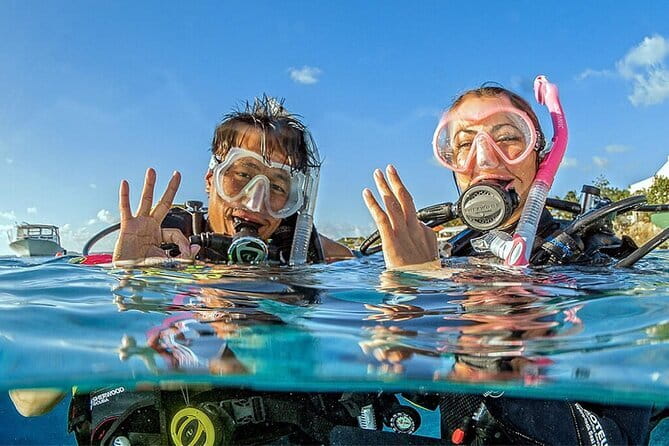
I would choose this course if you want structured progress rather than a loose set of recreational underwater outings. You receive a recognized PADI qualification, five different practical sessions, and the chance to work with several kinds of local sites.
The wreck options are another strong reason. Many courses use only easy reef areas, while this program gives you access to named wreck locations at several depths. The Rangoon at 30 meters is the most demanding, while the Galle Ship Wreck at 18 meters may be a more moderate introduction to wreck surroundings.
The range of instructors is also encouraging. The comments about Leon, Supun, and Tarush point to a center where clear explanations and a calm manner are treated as part of the job. That is exactly what I want from an advanced course.
Finally, the center’s organization appears suited to a short holiday. Registration times are clear, the course can fit into two or three days, and the center handles equipment and refreshments. You still need to reserve enough time in case weather or site conditions affect the plan.
The limitations you should consider
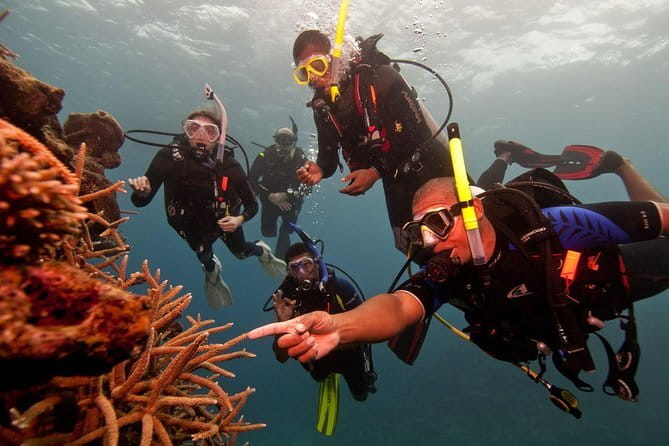
This is not an all-inclusive excursion. Lunch costs extra, and the PADI manual and certification fee are separate. You also need to meet the Open Water prerequisite and have a moderate fitness level.
The coral situation may disappoint you if your main goal is a spectacular coral garden. Several reef sites have hard and soft coral, but coral is described as limited in many areas. The local appeal is broader: rocky formations, macro life, nudibranchs, fish, sandy bottoms, and wrecks.
The schedule can also feel full. Two or three sessions per day, plus theory, asks a lot of your attention. You may enjoy the pace, but you should not expect a lazy beach holiday between every session.
Weather is another practical factor. The course requires suitable conditions. If poor weather causes a cancellation, you are offered a different date or a full refund. The activity also requires a minimum number of participants, so an alternative date or a refund may apply if that minimum is not met.
Cancellation is free up to 24 hours before the start time. Within 24 hours, the payment is not refunded, and late changes are not accepted.
Who will get the most from this course?
This suits an Open Water Diver who wants more confidence, better control, and a broader range of experience. It is especially useful if you are curious about wrecks but do not want to arrange a separate qualification.
It also fits you if you like having choices. You can use the three elective sessions to work on buoyancy, fish identification, boat procedures, or wreck skills rather than following a fixed specialty list.
Families should note the 12-year minimum certification age, but the child must already be an Open Water Diver and meet the other requirements. The course is not aimed at complete beginners.
I would be more cautious if you want a very slow pace, a private instructor, or a guaranteed focus on coral. Ask about group size, instructor availability, and the likely site plan before committing.
Should you book the Unawatuna Advanced Open Water course?
Book it if you already hold an Open Water qualification and want a practical next step with plenty of choice. The five-session format, wreck access, small maximum group, included equipment, and patient instruction make the $225.51 base price attractive.
Before paying, add the 70-euro PADI fee, budget for lunch, and decide whether you want PADI eLearning. Then choose your three elective subjects with care. If you want calm instruction, useful practice, and a chance to explore reefs, rocks, and wrecks around Unawatuna, this is a sound choice. If you only want easy coral scenery or a quick recreational outing, it may not be the right match.
FAQ
How long does the PADI Advanced Open Water course take?
The course takes approximately two to three days. It includes theory for each session and usually two or three underwater sessions per day.
How many adventure sessions are included?
Five adventure sessions are included. Deep and Underwater Navigation are mandatory, and you choose three additional subjects.
Which elective subjects can I choose?
Available choices include wreck exploration, boat procedures, Peak Performance Buoyancy, and fish identification. The final selection should be confirmed with the center.
What certification do I need before booking?
You must already be an Open Water Diver. The minimum certification age is 12 years.
Is the PADI manual and certification fee included?
No. The PADI manual and certification cost 70 euros. This fee is separate from the course price.
Can I complete the theory online?
Yes. You can purchase PADI Advanced Open Water eLearning through the PADI website and register it with Divinguru Unawatuna, PADI 5 Star Dive Resort, code S-36133.
Is scuba equipment provided?
Yes. Use of scuba equipment is included in the course price.
Are meals included?
Lunch is not included. Bottled water, snacks, coffee, and tea are provided.
What is the cancellation policy?
You can cancel up to 24 hours before the start time for a full refund. Cancellations or changes made less than 24 hours before the start time are not refunded or accepted. If poor weather or an insufficient number of participants causes cancellation, you are offered another date or a full refund.
Newest dives added in Sri Lanka
- Scuba Diving For Beginners★ 5.0 · 18 reviews
- 3 Hour Guided Scuba Diving in Trincomalee★ 5.0 · 2 reviews
- PADI Scuba Diver Course★ 5.0 · 11 reviews
- Scuba Diving For Beginners★ 5.0 · 10 reviews
- PADI Rescue Diver★ 5.0 · 2 reviews
- Scuba Diving in Kalpitiya★ 5.0 · 2 reviews
- Scuba Diving in Unawatuna★ 5.0 · 12 reviews
- Scuba Diving in Mirissa★ 5.0 · 12 reviews
PADI Courses & Certification, compared.
Tossa de Mar: PADI Discovery Scuba Diving in Costa Brava
Read our review →
Full-Day Beginner Scuba Course with Private Tuition, Racha Yai
Read our review →
Heraklion: Beginner Scuba Diving Lesson with PADI Instructor
Read our review →
Discover Scuba Diving with No Certification in St Thomas
Read our review →
Try Dive – PADI Discover Scuba Diving in Tenerife
Read our review →
Browse the lists this dive appears in