
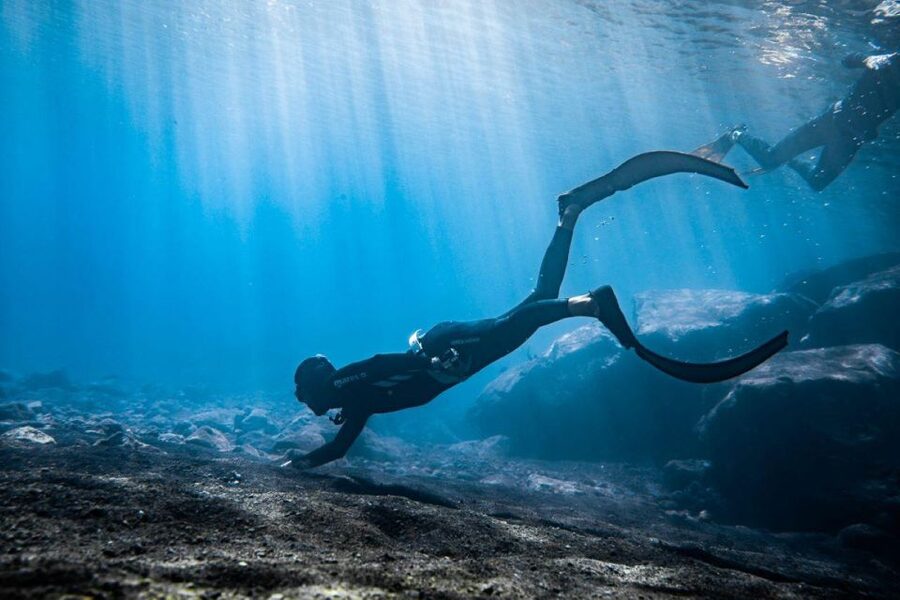
Reviewed · FREEDIVING
Tenerife : Snorkeling underwater with freediving Instructor
The most unusual part of this Tenerife outing happens before you enter the water. Carlos leads you through yoga, stretching, Qigong, and calm breathing, then explains how to equalise your ears for gentle breath-hold snorkeling. It feels more like a short wellness class joined to a sea outing than a standard mask-and-fins trip.
I like two things especially: the patient preparation, which helps you feel less rushed, and the small group of up to 10 people. You also get fins, mask, snorkel, wetsuit, weights, a snack, and underwater photos and video for $52. The main consideration is simple: you must be able to swim, and rough weather can force a change of date.
Key points at a glance
- Calm preparation first: Yoga, stretching, Qigong, conscious breathing, and ear-equalisation practice set the tone before the water session.
- About an hour in the sea: You explore Radazul’s seabed with an instructor rather than simply swimming around on your own.
- A first step toward apnea skills: The session introduces breath control and safe breath-hold techniques without requiring previous experience.
- Everything essential is supplied: Mask, snorkel, fins, wetsuit, and an apnea belt with weights are included.
- Small-group instruction: A maximum of 10 people allows room for questions and personal guidance.
- A gentle finish: After the water session, you get a healthy snack and may receive underwater photos and video.
Why this is more than a standard snorkeling hour
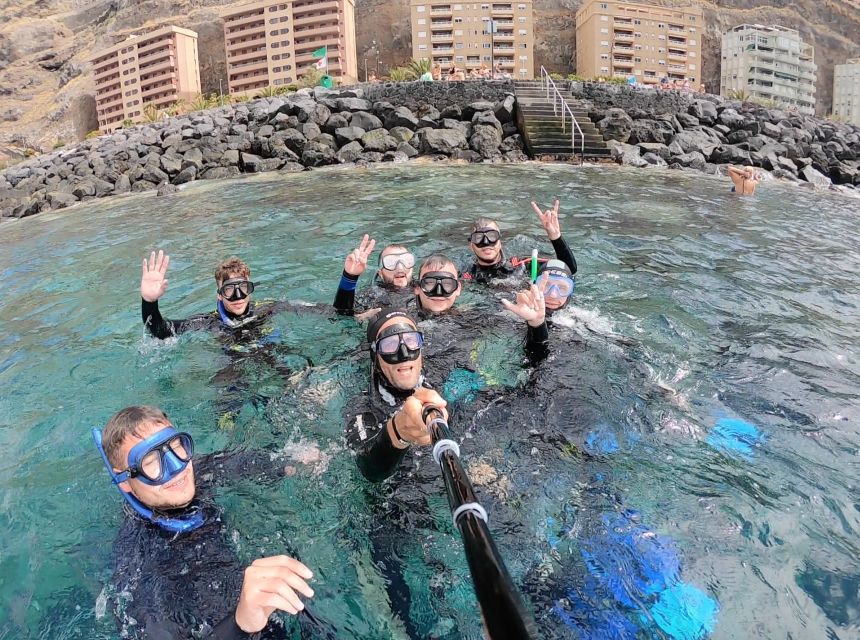
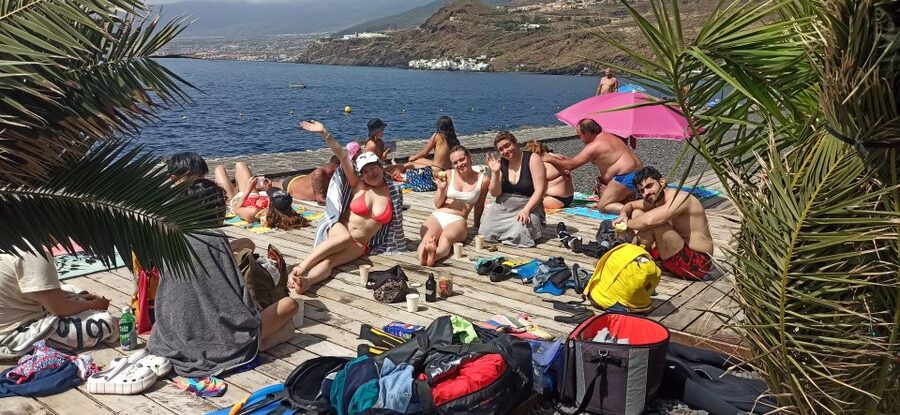
Most snorkeling outings hand you equipment, point toward the water, and leave you to work things out. This one takes a slower route. At Radazul Beach, you begin on one of three wooden platforms facing the ocean, where the dry portion takes place.
Carlos guides the preparation, and Sandra handles communication for the experience. The opening class covers safety, breathing, stretching, and how to compensate for pressure in your ears. That last point matters if you plan to swim below the surface. Ear equalisation is not an exciting topic on paper, but learning it calmly on land is far better than trying to guess what to do with a mask full of seawater.
I like the way this changes the mood. You are not simply collecting a quick look at fish. You are learning how to become quieter and more controlled in the water. The breathing practice can help you relax your body and avoid wasting energy, which is useful for beginners who tend to kick hard or hold their breath in a tense way.
The session is also an introduction to apnea, the practice of breath-hold swimming. You do not need prior training, but you do need to listen carefully and follow the instructor’s safety rules. This is still an ocean activity, not a pool lesson, so the preparation deserves your full attention.
More Freediving in Tenerife
- Freedive Silfra Half Day Tour
★ 5.0 · 225 reviews - Snorkeling and Freediving Trip around Nusa Penida
★ 4.5 · 77 reviews - 3-Day Freediving Level 1 Course
★ 5.0 · 54 reviews
Meeting at Radazul Beach
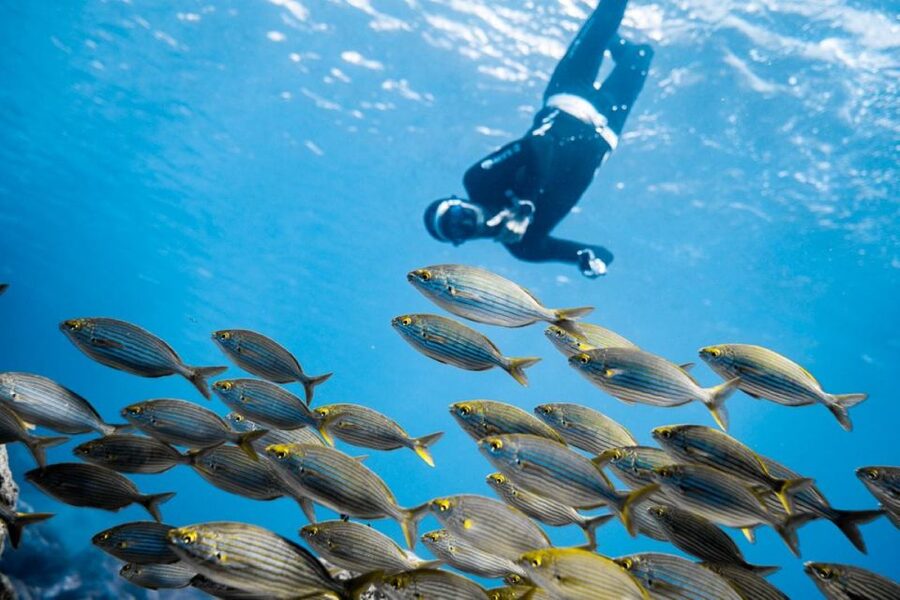
The meeting point is Av. Colón, 22, at Radazul Beach. Look for one of the three wooden platforms in front of the ocean. That detail is worth noting because a beach meeting point can otherwise be vague, especially when you are carrying a towel and trying to spot a guide.
The dry class lasts about one hour. It includes the safety briefing, a workshop, stretching, breathing work, and equipment preparation. You will learn how to use the mask, snorkel, and fins, then put on the wetsuit and apnea belt with weights.
The belt helps with body position in the water, but it also makes proper instruction important. You should not treat the equipment as something to adjust by guesswork. Ask questions before entering the sea, particularly if you have never used weights while snorkeling.
You should arrive ready for an outdoor activity. Bring a swimsuit, towel, sunscreen, and a good attitude toward getting wet. It is advisable not to eat during the hour before the session. That is practical advice for a physical water activity, especially one that includes breath control and movement.
You must know how to swim. This experience is not designed for non-swimmers, children under six, or people with visual impairments. Glasses must be removed for the water portion, though contact lenses can be used. If you have a strong prescription, the provider can advise you about special lenses fitted for a snorkeling mask.
The breathing and equalisation workshop
The preparation is the heart of the experience. Carlos uses yoga and stretching to loosen the body, then introduces conscious breathing and relaxation. Qigong is also part of the routine, giving the session a gentle, focused beginning rather than a hurried equipment briefing.
The breathing work has a clear purpose. Relaxation helps you use less effort, and controlled breathing can make it easier to stay calm when your face first enters the water. Several people who completed the session found this preparation especially useful later in the sea, which makes sense: the mind often needs as much training as the fins do.
Equalisation is another valuable lesson. As you move below the surface, pressure can build in your ears. The instructor explains how to compensate so you can return to the surface or adjust before discomfort grows. Never force this. If your ears will not equalise, follow the instructor’s advice and stay at a comfortable depth.
The class can be useful even if you mainly want to snorkel at the surface. It gives you a better sense of breathing rhythm, body position, and safe behavior around the water. If you already practice apnea, you may find the session fairly introductory. For a first experience, the measured pace is a strength.
About an hour exploring Radazul’s seabed
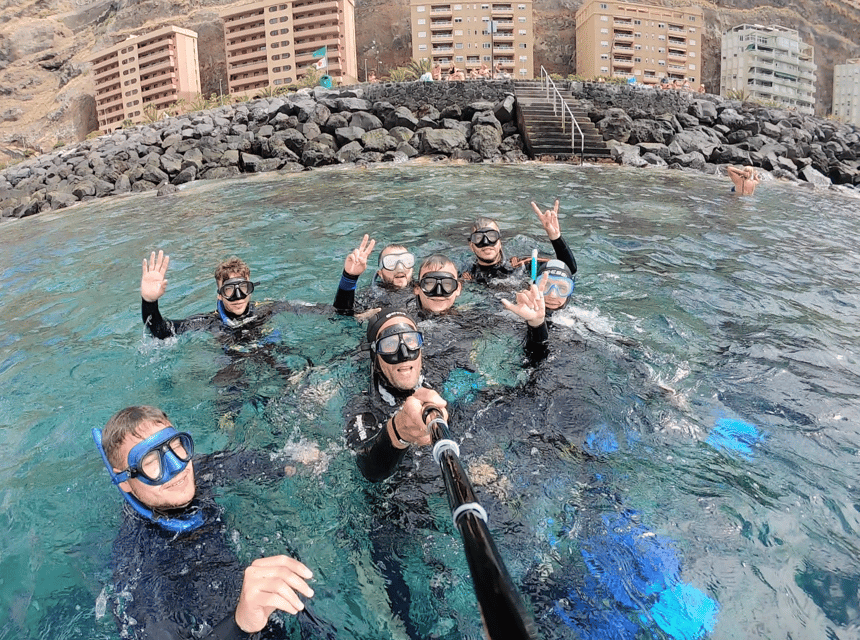
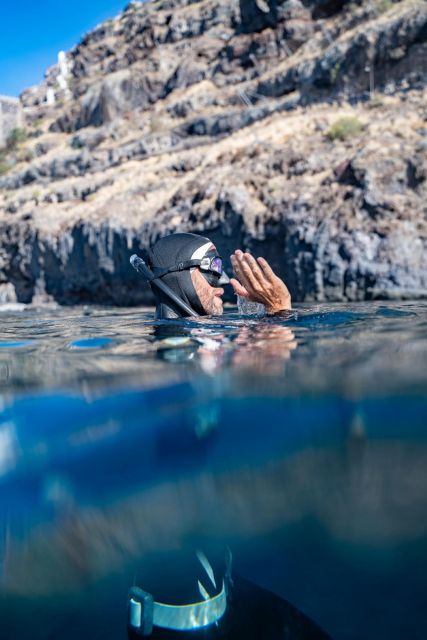
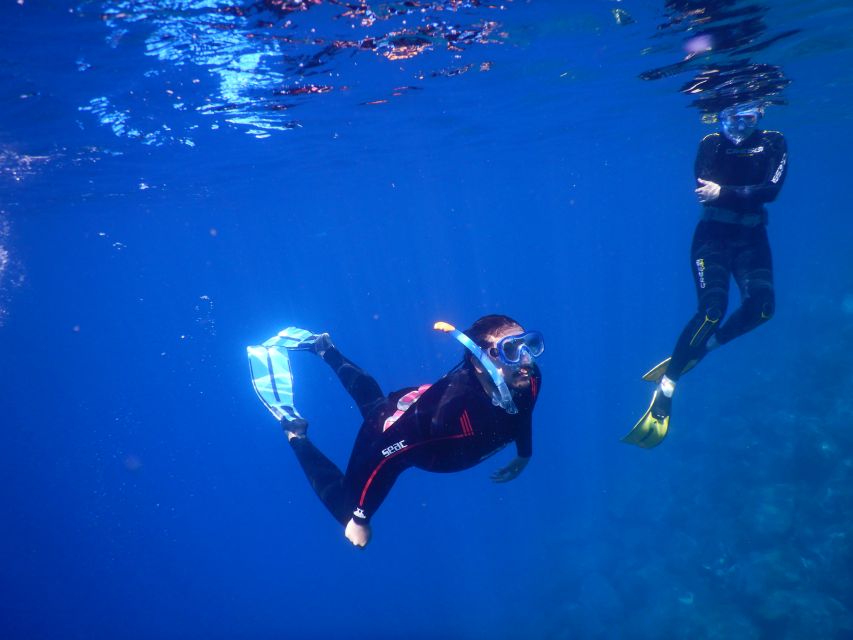
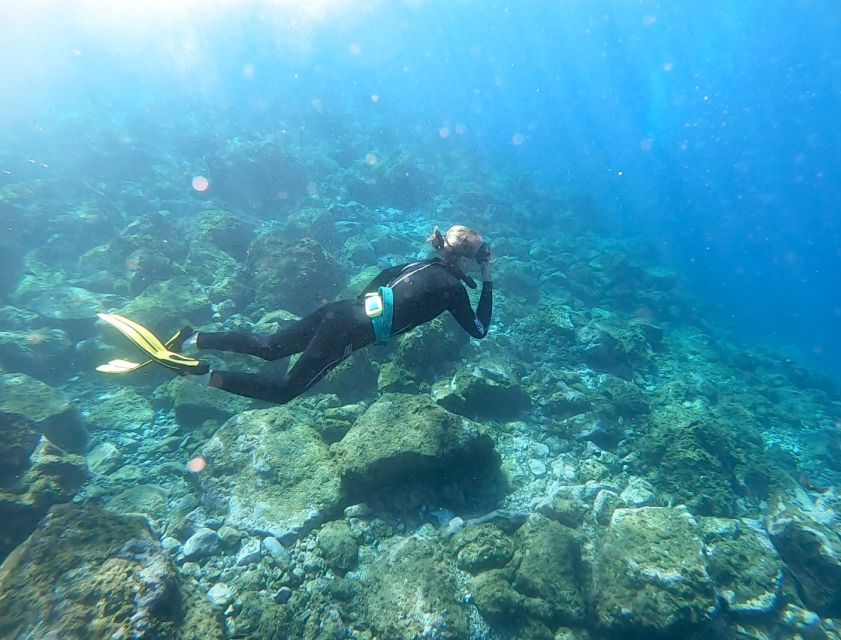
The water portion lasts about 1.5 hours in the published schedule, with roughly one hour spent exploring the seabed. The wider block includes the guided tour, snorkeling, marine-life viewing, and time for photos.
Radazul is presented as a place to look for colorful fish and other sea life. The experience is not built around a guaranteed animal sighting, so keep expectations sensible. Conditions, visibility, and marine activity can change. One particularly memorable possibility is a ray, which has been seen in the area, but no wildlife encounter should be treated as promised.
The guide stays with the group and helps you explore safely. That makes this a good choice if you want to look below the surface but do not feel ready to navigate alone. You can focus on breathing, kicking, and watching the seabed instead of constantly checking where to go.
The small group matters here. With no more than 10 participants, the instructor has a better chance of noticing if someone is uncomfortable, needs help with a mask, or is struggling with equalisation. It is not a private lesson, but it should feel more personal than a large boat excursion.
This is not the place to race around looking for the most creatures. Move slowly, keep your breathing controlled, and let the guide set the pace. Fish are easier to notice when you are not churning the water with frantic kicks. The calm approach also fits the main goal of the activity: finding peace underwater while learning a new skill.
More Snorkeling in Tenerife
- Great Barrier Reef Snorkeling and Diving Cruise from Cairns
★ 4.5 · 3,714 reviews - Ocean Freedom Great Barrier Reef Luxury Snorkel and Dive Cruise
★ 5.0 · 1,895 reviews - Cairns: Premium Snorkelling and Diving Reef Day Trip
★ 4.7 · 1,528 reviews - Cairns: Outer and Coral Cay Snorkel and Dive Cruise
★ 4.8 · 1,467 reviews
Equipment included, and what you should bring
The $52 price includes the main sports equipment:
- Mask
- Snorkel tube
- Fins
- Wetsuit
- Apnea belt with weights
- Underwater photos and video
- Healthy snack after the session
That package gives the outing good practical value. You do not need to rent the core equipment separately, and the wetsuit can make the session more comfortable in the ocean. The belt with weights is also supplied, though you should rely on the instructor to explain its use and fit.
Bring your own swimsuit, towel, and sunscreen. The dry class takes place outdoors on a wooden platform, so sunscreen is useful even before you enter the water. You may also want to bring a change of clothes, though this is not specifically listed as required.
The photos and video are a nice extra. The team uses underwater devices and will try to capture your experience, including those first smiles beneath the surface. Treat this as a bonus rather than the main reason to book. The quality and number of images can depend on sea conditions, visibility, and the group.
After leaving the water, you receive a healthy snack. It is a modest detail, but a welcome one after swimming and concentrating for several hours. The snack also gives the activity a tidy finish instead of sending you straight back to town wet and hungry.
What the three-hour schedule feels like
The full activity lasts three hours, but it is not three continuous hours in the sea. The first hour is the class and safety workshop. The next 1.5 hours cover the guided water session and marine-life viewing, including time for photos. The final 30 minutes are set aside for a break, snack, or picnic-style pause.
That division suits beginners. You get time to learn, time to practice, and time to recover. A shorter package might be cheaper, but it would have less room for the breathing exercises that make this outing different.
The schedule also means you should not plan a rushed activity immediately afterward. The ocean portion can be affected by weather, and the group may need time to complete the instruction safely. Keep the rest of your day flexible.
The provider can reschedule if rain, strong wind, or large waves make the sea unsafe. This is not a flaw in the experience. It is the sensible trade-off for an outdoor activity that depends on real ocean conditions. Check availability for start times, and keep an eye on the forecast before you go.
Who will get the most from this experience
I would choose this for a confident swimmer who wants more than a quick mask-and-fins outing. It suits someone curious about breath-hold swimming, but not yet ready for a formal advanced course. The stretching and breathing work also appeal to anyone who likes a calm, body-focused start to an outdoor activity.
It is a good fit if you:
- Want instruction before entering the sea
- Prefer a small group to a large excursion
- Are interested in learning basic apnea skills
- Enjoy watching marine life at an unhurried pace
- Want equipment and a snack included
- Are comfortable removing glasses for the water session
I would be more cautious if you dislike structured instruction. The first hour is not optional filler. It is a major part of the experience, and you need to take the breathing and safety work seriously.
This also is not suitable for non-swimmers. The guide can help with technique and confidence, but cannot turn the outing into a learn-to-swim lesson. People with visual impairments are excluded according to the activity information, and children under six cannot participate.
Is $52 a fair price?
At $52 per person, the price is reasonable for a three-hour, small-group ocean session with an instructor. You are paying for more than access to the water. The fee includes the equipment, a guided hour of marine-life viewing, a preparation class, underwater media, and food afterward.
The value is strongest if you would otherwise need to rent a wetsuit, mask, snorkel, fins, and weights. It is also stronger if you want to learn safe breathing and equalisation rather than simply float near shore.
If your only goal is a quick, independent swim, this may feel like more instruction than you need. You could find a simpler and possibly cheaper way to use a mask and snorkel. But that would not include Carlos’s preparation, the guided breath-hold introduction, or the same level of attention to safe technique.
The full refund cancellation window is up to 24 hours before the activity, and you can reserve now and pay later. Those terms are helpful when your Tenerife plans depend on weather or changing schedules.
How the instruction comes across
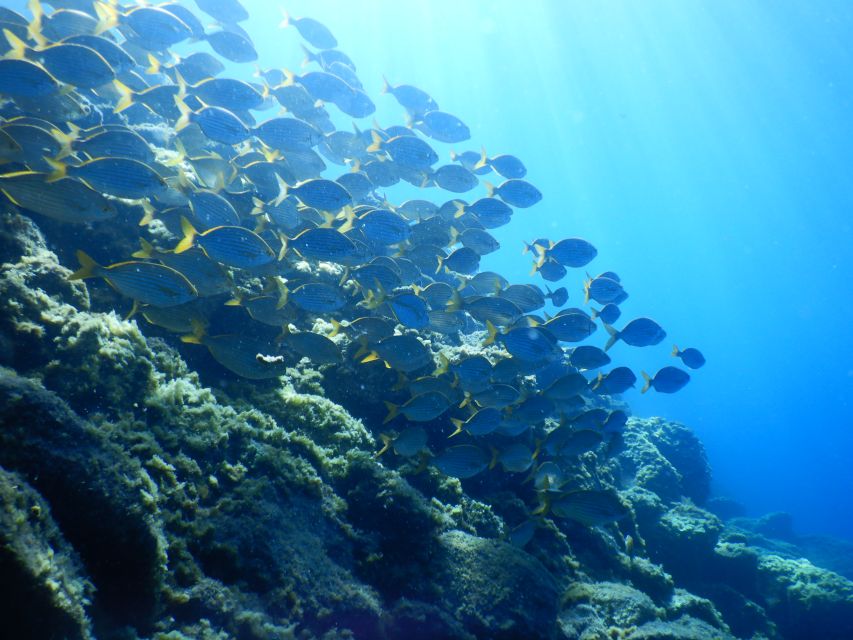
Carlos is described as calm, welcoming, and friendly, with a clear way of explaining the breathing exercises. That tone matters in an activity where nervousness can make every part harder. You want an instructor who does not rush you below the surface or make you feel silly for needing another explanation.
The instruction is available in English, French, and Spanish. That gives you a practical way to ask questions about safety, ear pressure, and equipment. If you have a concern, raise it before entering the water rather than trying to solve it while swimming.
The teaching also has a useful progression. First you prepare the body. Then you work on breath and relaxation. Next you learn ear equalisation and equipment use. Only after that do you explore the seabed. The order is sensible and helps make the ocean session feel manageable.
My call: book it if you want a calm, guided start
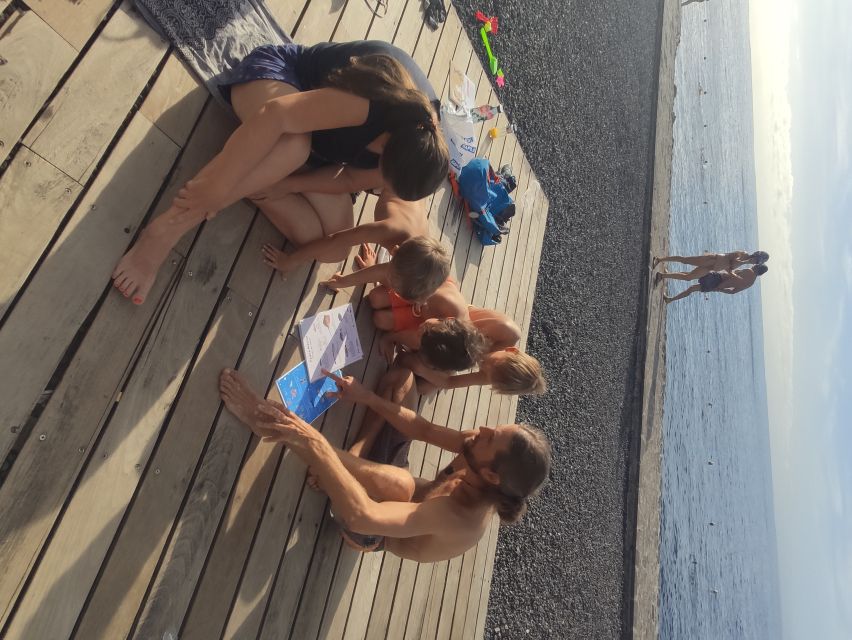
I recommend this experience for a swimmer who wants to understand the water, not just look at it. The combination of yoga, breathing, equalisation, a small group, equipment, and guided snorkeling gives the $52 price real substance.
Book it if you are curious about apnea, want help staying relaxed, or prefer an instructor-led outing at Radazul. Skip it if you are a non-swimmer, want complete independence, or have no patience for a one-hour preparation class.
For the best chance of a good session, avoid eating during the hour beforehand, bring sunscreen and a towel, arrive at the correct wooden platform, and keep your schedule flexible for changing sea conditions. If that sounds like your kind of morning or afternoon, this is a thoughtful way to meet Tenerife’s underwater world.
FAQ
Where does the snorkeling experience meet?
Meet at Radazul Beach, at Av. Colón, 22. Look for one of the three wooden platforms in front of the ocean.
How long does the activity last?
The experience lasts three hours. About one hour is used for the class and safety workshop, about 1.5 hours for the guided water session and marine-life viewing, and 30 minutes for the snack and break.
Do I need to know how to swim?
Yes. You must know how to swim to take part. The activity is not suitable for non-swimmers.
What equipment is included?
The provider supplies a mask, snorkel tube, fins, wetsuit, and apnea belt with weights. Photos and video are also taken during the session, and a healthy snack is provided afterward.
What should I bring?
Bring a swimsuit, towel, sunscreen, and a sense of fun. It is advisable not to eat during the hour before the activity.
Can I wear glasses in the water?
You need to remove your glasses for the water portion. Contact lenses can be used. If your prescription is very high, the provider can advise you about special lenses for a snorkeling mask.
What happens if the weather is bad?
The activity may be rescheduled if there is rain, strong wind, or wild ocean waves. You can cancel up to 24 hours in advance for a full refund, and the activity offers reserve now and pay later.
Newest dives added in Tenerife
- Scuba Diving in Turtle and Ray Area★ 5.0 · 7 reviews
- Scuba Experience in Tenerife with Guide★ 5.0 · 30 reviews
- Try Scuba Diving Puerto Colon★ 5.0 · 2 reviews
- Scuba Adventure – 2 Guided Dives from Our Boat in Tenerife★ 5.0 · 12 reviews
- Try Dive in Abades Bay with a private instructor★ 4.0 · 4 reviews
- First Dive Experience in Tenerife★ 4.5 · 69 reviews
- Tenerife Under The Sea – dive into 1-1 personalised experience★ 5.0 · 15 reviews
- Scuba Diving for Certified Divers in Costa Adeje★ 5.0 · 69 reviews
Freediving, compared.
Snorkeling and Freediving Trip around Nusa Penida
Read our review →
Freediving and Snorkeling at Yawasam and Talu Island
Read our review →
Freedive trip Koh Kood or Koh Rang National Park ( start at Ko Kut)
Read our review →
Browse the lists this dive appears in