
Reviewed · FREEDIVING
Beginner Freediving Course (with Bonus Session)
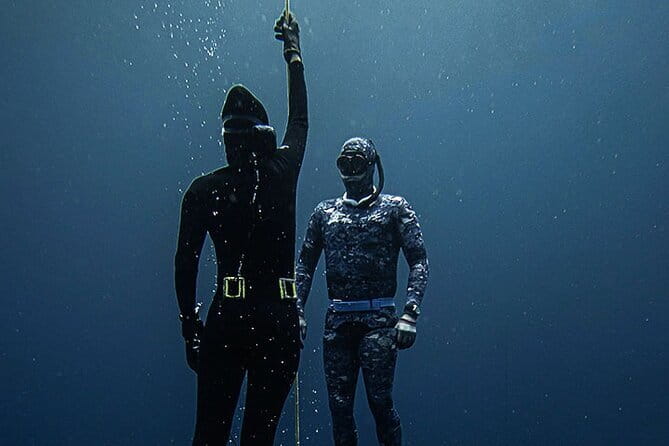
The most interesting part of this Panglao course is its calm, step-by-step approach to learning how to move underwater without a tank. You work through breathing, relaxation, pressure, and safety before attempting depths of up to 20 meters, with pool practice before the open-water sessions.
I like the maximum group size of four, since a breathing-based sport needs close attention. I also like the practical value: pickup, equipment, photos and videos, fees, and a certificate are included. The main consideration is time. At roughly 2.5 days, this is a real course, not a quick beach activity, and lunch costs extra.
Key points to know before booking
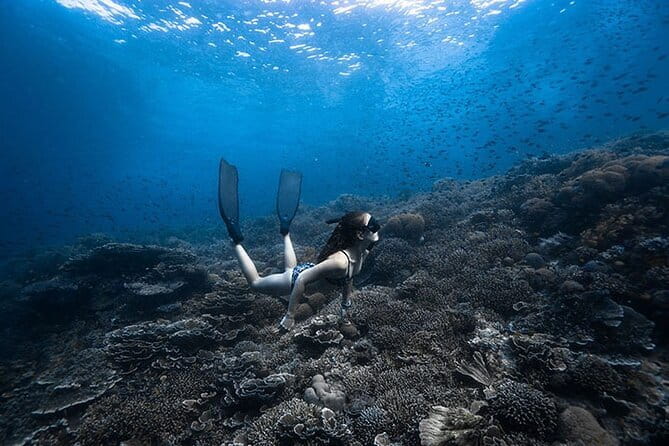
- SSI Level 1 training: Learn breathing, breath-hold, relaxation, pressure, and safety skills.
- Small groups: The course accepts a maximum of four participants, allowing more direct instruction.
- Pool before reef: You build confidence in controlled water before open-water sessions at Napaling Reef.
- 20-meter goal: The course teaches skills for freediving to a maximum depth of about 20 meters, subject to your progress and safety.
- Pickup included: Panglao Island hotel, airport, and port pickup are included.
- Certificate and media: Completion includes certification, plus unedited photos and videos.
What the Panglao course is really teaching
Freediving looks simple from the shore. You take a breath, slip below the surface, and return. The hard part is learning to stay relaxed while your body is asking for air. That is why this course spends time on breathing, breath-hold technique, relaxation, pressure-related concerns, and safety.
The SSI Level 1 course is designed for beginners. You do not need to arrive with advanced water skills, but you do need to be ready to listen carefully and follow the instructor’s limits. The stated course depth is up to 20 meters, or about 65.5 feet. That is a training target, not a promise that every participant will reach it.
The instruction combines classroom time, pool sessions, and open-water practice. This mix matters. Classroom lessons give you the rules and vocabulary. The pool gives you a controlled place to try the techniques. The reef session lets you apply them in a natural setting, where visibility, movement, and surroundings feel different.
I see this as a better fit for someone who wants to learn the sport properly than for someone who simply wants a one-hour underwater thrill. You are paying for instruction and skill-building, not only for time in the water.
More Scuba Diving for Beginners in the Philippines
- Scuba Diving in Boracay: SSI Basic Diver for Beginners
★ 5.0 · 20 reviews - Scuba Diving in Boracay: SSI Basic Diver for Beginners
★ 5.0 · 10 reviews - Bohol: Discover Scuba Diving – No Experience Needed
★ 5.0 · 4 reviews
Starting at Freedive Academy Panglao
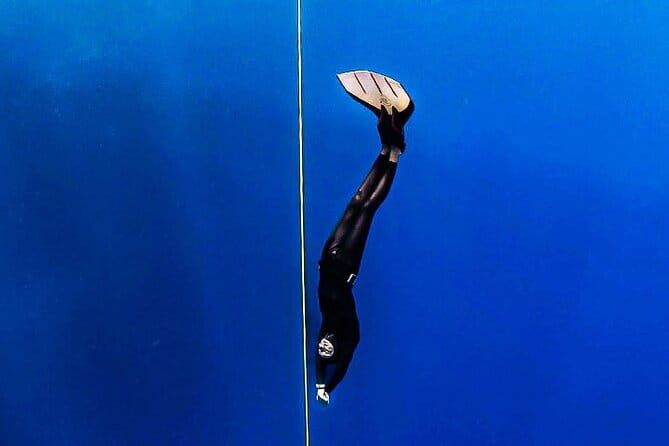
The course begins at Freedive Academy Panglao on Napaling Drive in Panglao, Bohol. Pickup is included from a Panglao Island hotel, airport, or port, which is useful if you are carrying personal items or are still finding your way around the island.
The facility is the base for the course, equipment preparation, instruction, and meeting the teaching team. The group limit of four is one of the strongest features here. An instructor can watch your technique more closely than in a large class, and you have a better chance to ask questions without waiting through a long line of classmates.
The academy works with SSI, AIDA, and Molchanovs programs. This particular experience is described as SSI Level 1, while the same beginner level is also associated with AIDA 2 and Molchanovs Wave 1. If the certification agency matters to you, confirm the exact course agency at booking and make sure it matches the qualification you want.
The opening hours listed for the experience are 8 a.m. to 5 p.m., Monday through Sunday. Since the course takes several days, plan your Panglao schedule around it rather than trying to squeeze it between other major activities.
Classroom lessons that make the water time safer
The classroom portion covers the basics you need before working toward depth. Expect instruction on safety procedures, breathing and breath-hold methods, relaxation, and pressure-related issues.
That may sound less exciting than going straight into the sea, but it is the part I would take most seriously. Freediving is not simply about holding your breath for as long as possible. The course teaches you how to prepare, stay calm, recognize limits, and work with a trained partner and instructor.
The safety focus is also where the small class size pays off. Instructors can address different levels of comfort and help you avoid turning the session into a contest. Several instructors connected with the academy, including Teo, Jomari, Ven, and Ramar, are singled out for patient, encouraging guidance. That matters for a first course, especially if you feel nervous about breath-holding.
You should expect the pace to be gradual. The purpose is not to force a number on your first attempt. You learn a process, then build on it.
Pool practice before open water
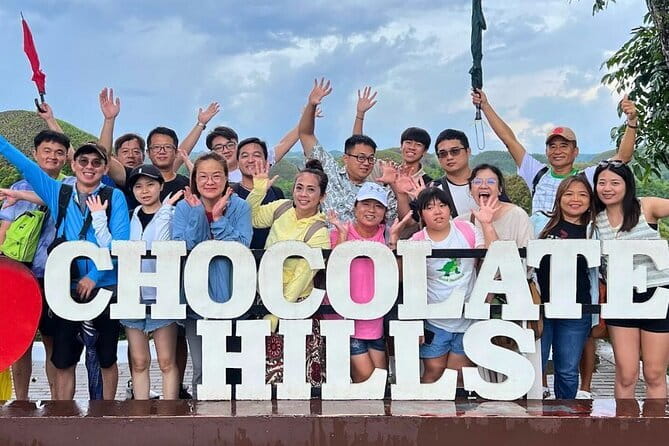
The pool sessions offer a controlled setting for learning how your body reacts underwater. You can practice relaxation and breath-hold skills without the extra movement and visual distractions of the reef.
This is a useful stage for beginners who are comfortable in water but unfamiliar with freediving technique. You get to focus on the instruction, body position, breathing routine, and calm movement. The pool also lets the instructor see where you need help before the course moves to open water.
I would not treat the pool as a warm-up to rush through. It is where you begin to understand the difference between swimming underwater and freediving. Strong swimming alone does not replace proper breathing and safety habits.
The course includes use of equipment, though the supplied details specifically list snorkeling equipment in the inclusions. The overview also says equipment is included. If you need a particular mask, suit, fins, or other item, ask the academy what is supplied and what you may bring yourself.
More Freediving in the Philippines
- Discovery Freediving Program
★ 5.0 · 37 reviews - Panglao: Napaling Reef and Sardines Freediving Experience
★ 4.9 · 16 reviews - Discover Freediving in Boracay
★ 4.9 · 7 reviews - Discover Freediving One Amazing Day
★ 4.5 · 4 reviews
Napaling Reef and the open-water sessions
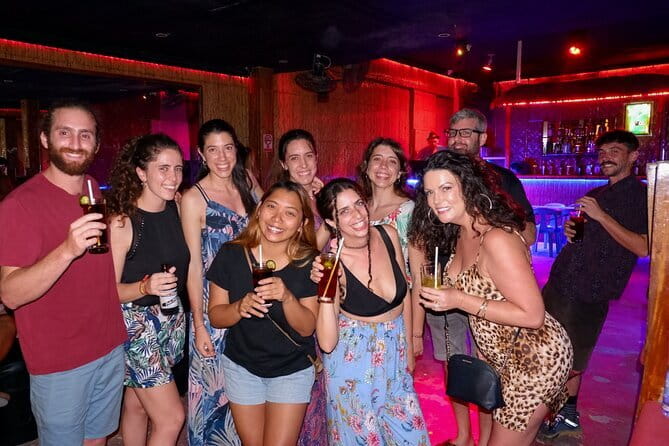
The second listed stop is Napaling Reef, where the course moves into open water. This is the part most people picture when they think about freediving in Panglao. You take the skills from the classroom and pool into a natural marine setting.
Napaling is also associated with a popular sardine experience in the area. The supplied information highlights swimming with sardines and seeing the reef, though this course should be understood first as instruction rather than a sightseeing trip. The underwater setting adds interest, but your instructor’s plan and your safety remain the priority.
Open water can feel very different from a pool. The setting is larger, the surroundings are more active, and you may have more to look at. That makes the relaxation skills especially useful. You will need to keep your attention on technique instead of trying to chase the biggest view or deepest number.
The open-water sessions are also where personal comfort matters most. Some people progress quickly, while others need more time. The course is structured around safe learning, so reaching the full 20 meters should not be your only measure of success.
Patient instructors and a reassuring teaching style
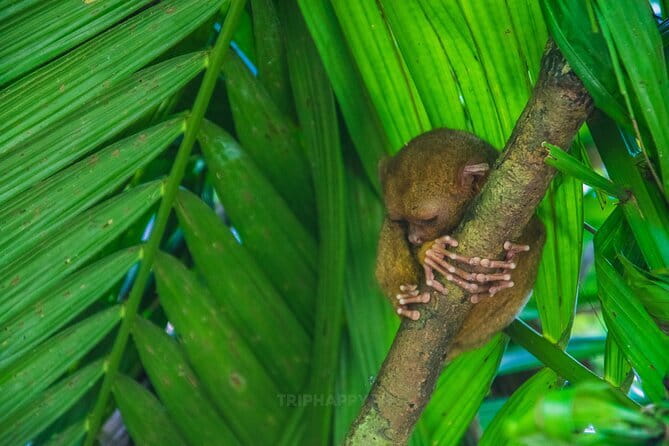
The academy’s strongest practical advantage is the teaching team. Teo is praised for patience and for making safety a clear priority. Jomari is described as helpful, patient, and fun, while Ramar is noted for clear instruction and a strong focus on keeping participants safe. Ven and other instructors are also associated with careful guidance during water activities.
Those details give you a useful sense of the atmosphere. This is not presented as a stern military-style course, nor as a loose activity where you are left to figure things out. The tone appears friendly and encouraging, with instructors helping nervous beginners take the next step.
That does not mean every instructor will suit every person, and instructor assignment can vary. Still, the repeated emphasis on patience, safety, and personal support is reassuring for a first course.
The academy also has an active community feel. That could be a plus if you want to continue training after the beginner course. If you are only visiting Panglao briefly, the course still gives you a proper introduction, but the 2.5-day schedule requires a real time commitment.
What is included, and what you still pay for
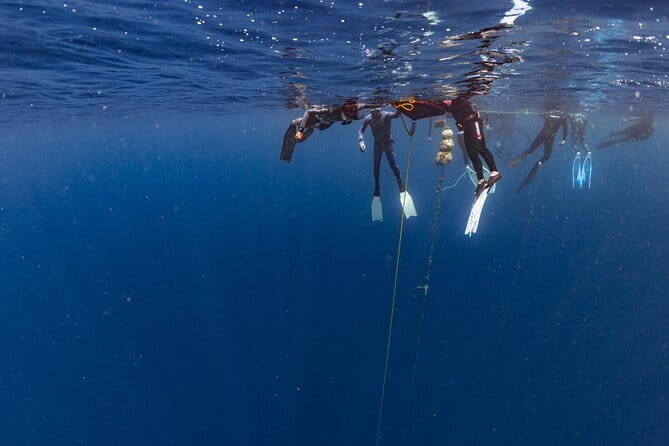
The price is $416.70 per person. That is not a budget half-day activity, but the value is easier to understand once you count the included elements.
You receive the SSI Level 1 course, small-group instruction, use of equipment, all fees and taxes, unedited photos and videos, and a certificate upon completion. Pickup from a Panglao hotel, airport, or port is also included. For a multi-day course, avoiding separate transfers and equipment charges can make the price more reasonable.
The certificate is important if you want a formal beginner qualification rather than an informal lesson. The photos and videos are a nice extra, especially if you want a record of your first course. They are described as unedited, so do not expect a polished professional film package.
Lunch is not included. It can be ordered a day ahead for about 250 Philippine pesos. That is a modest extra, but you should plan for food during the course instead of assuming the price covers meals.
I would compare this experience with the cost of a standard beginner course in your home country, not only with a local snorkeling trip. You are getting several days of instruction and a certificate. If you only want to see the reef once, the full course may be more than you need.
Who will get the most from this course
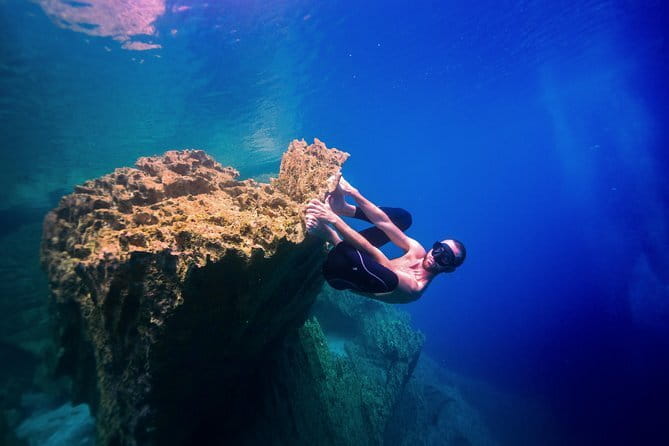
This course suits you if you want to learn freediving from the beginning and prefer a structured introduction. It is also a good match if you value safety instruction, small classes, and a certificate.
It may work well for solo visitors, couples, siblings, and small groups of friends. The group limit of four means you are not placed in a large crowd, and the academy has experience working with families and older participants in its other water activities.
You should be comfortable taking direction and giving yourself time to progress. The course is not designed around proving how long you can hold your breath. It is about learning sound habits.
If you are mainly interested in snorkeling, swimming with sardines, or taking a quick reef trip, choose a shorter water activity instead. This course asks for 2.5 days and includes classroom and pool work, so it is a poor fit for a packed island itinerary.
Service animals are allowed, and the activity is near public transportation. Most people can participate, according to the supplied conditions, but anyone with personal health concerns should clarify suitability before booking.
Timing, pickup, and cancellation details
The activity begins and ends at the academy meeting point, unless you use the included pickup arrangement. The listed start location is Freedive Academy Panglao, Napaling Drive 1, Panglao, 6339 Bohol.
You receive confirmation at the time of booking. The experience is available Monday through Sunday from 8 a.m. to 5 p.m., with dates listed through July 2026.
Free cancellation is available if you cancel at least 24 hours before the local start time. Cancellations or changes made within 24 hours are not accepted for a refund. Keep that rule in mind when arranging flights, ferries, or other island plans.
My verdict: book it for training, not a quick outing
I would book this course if I wanted a proper beginner foundation in Panglao, especially because of the four-person limit, the pool-to-reef progression, included pickup, and certificate. The repeated focus on patient instructors such as Teo, Jomari, Ven, and Ramar adds confidence for first-timers.
I would skip it if I had only one free morning or mainly wanted a relaxed snorkeling trip. At $416.70, the value comes from the multi-day instruction and certification, not from a single reef visit.
For the right person, this is a thoughtful introduction to freediving, with enough structure to help you learn safely and enough time in the water to see if the sport truly suits you.
FAQ
How long does the beginner freediving course last?
The course lasts approximately 2.5 days.
What certification does the course provide?
The experience is described as an SSI Level 1 freediving course and provides a certificate upon completion.
How deep can I learn to freedive?
The course teaches skills for depths of up to 20 meters, or about 65.5 feet. Your actual depth depends on your progress and safe participation.
Is equipment included?
Yes. Equipment use is included, and the inclusions specifically list snorkeling equipment.
Is hotel or airport pickup available?
Yes. Pickup from a Panglao Island hotel, airport, or port is included.
Is lunch included?
No. Lunch is not included, but it can be ordered one day in advance for about 250 Philippine pesos.
How many people can join the course?
The activity has a maximum of four participants.
Can I cancel for a refund?
Yes, you can receive a full refund if you cancel at least 24 hours before the experience start time. Cancellations or changes made less than 24 hours before the start time are not accepted.
Newest dives added in the Philippines
- Discover Scuba Diving in Boracay with U/W Photo and Video★ 5.0 · 14 reviews
- Discovery Freediving Program★ 5.0 · 37 reviews
- WaterColors – Kids’ Discover Scuba Diving in Boracay for 10 years old and up★ 4.0 · 3 reviews
- WaterColors – PADI Scuba Diver Certification in Boracay★ 5.0 · 12 reviews
- Discover Freediving One Amazing Day★ 4.5 · 4 reviews
- 2-Day Private Boracay PADI Open Water Diver Course★ 5.0 · 3 reviews
- DiveGurus -Scuba Diving for Kids(Ages 6-11yrs)★ 5.0 · 5 reviews
- Boracay Island Hopping + Hot Kawa + Parasailing + Helmet Diving★ 3.0 · 10 reviews
Freediving, compared.
Snorkeling and Freediving Trip around Nusa Penida
Read our review →
Freediving and Snorkeling at Yawasam and Talu Island
Read our review →
Freedive trip Koh Kood or Koh Rang National Park ( start at Ko Kut)
Read our review →
Browse the lists this dive appears in